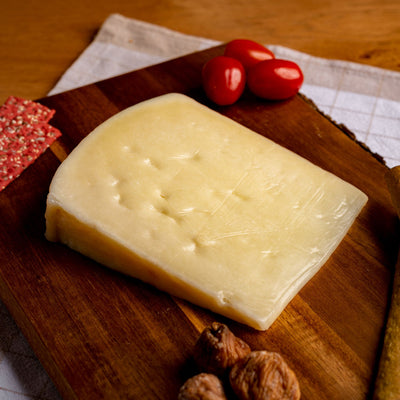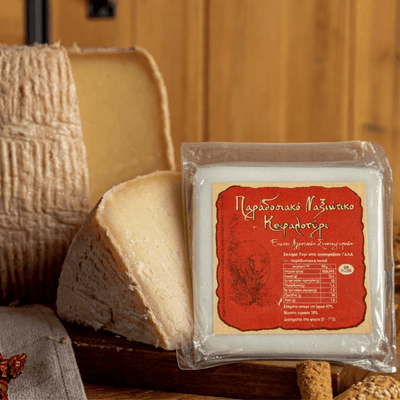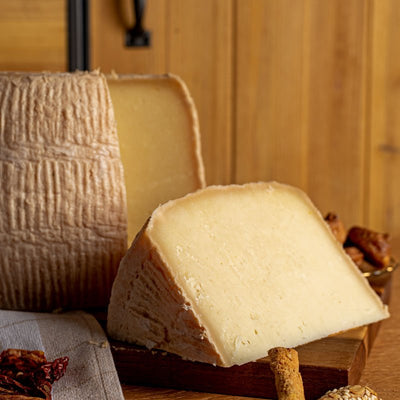
Countries with a Mediterranean climate, such as Greece and generally the southern countries of Europe, are characterized by hot summers, which make the cheeses a delicate kind of food to handle. In contrast, in countries of Central and Eastern Europe, as well as Northern Europe, which have a cold and dry climate, the preservation of hard cheeses is much easier and longer.

When it comes to hard cheese, moisture trapping is less of a concern, as these types of cheese are quite durable. Hard cheeses, as well as Greek ones, do not like to be too cold. If your kitchen has a cool temperature, then you can leave cheese out on the counter. Just remember to cover it with a cloth or towel so that it is not exposed to too much air or bugs. If the piece of fabric becomes wet, it’s time to replace it.
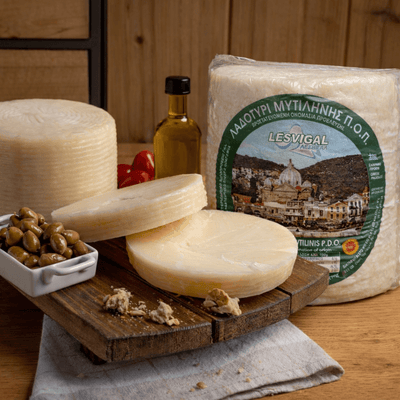
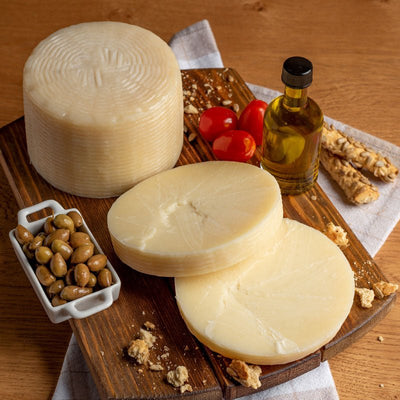
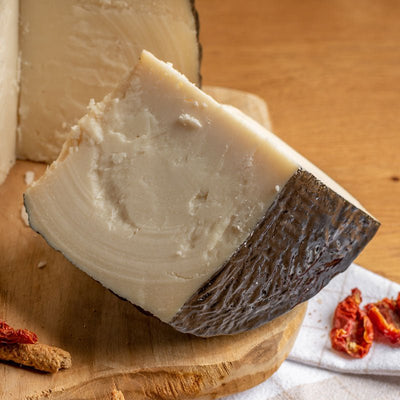
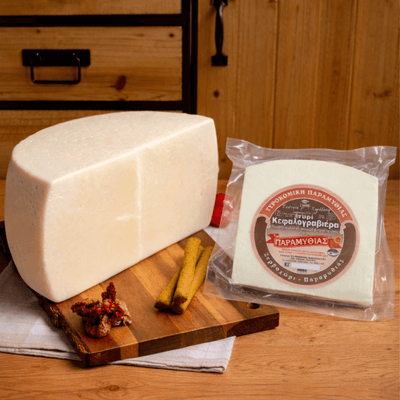
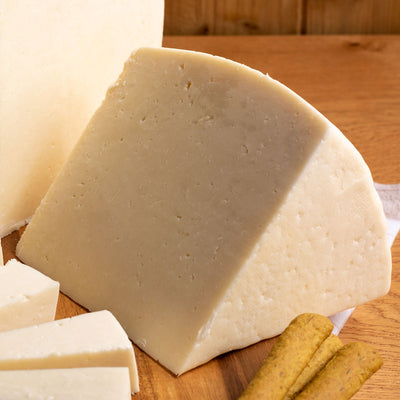
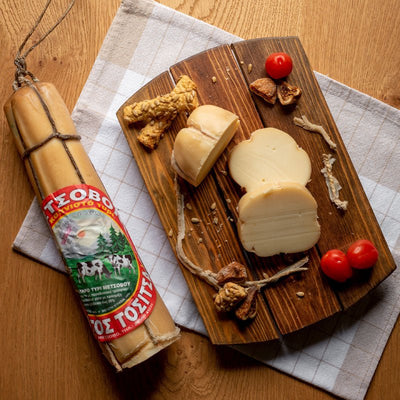
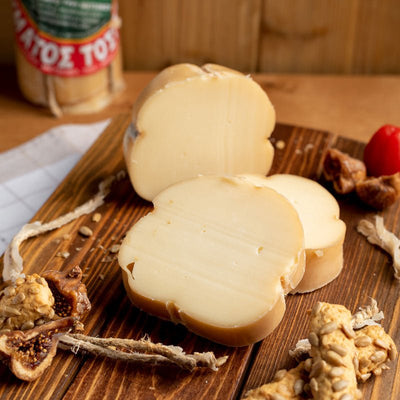
So the famous Greek Hard Cheeses like the salty Graviera and Kefalotyri or Dry Myzithra, Dry Anthotyros with the brackish, buttery taste, all best preserve their aromas in a cool room temperature. The same goes for Kefalograviera cheese, which is a combination of Kefalotyri & Graviera, Ladotiri from Mytilini with its peppery taste and intense aroma, the smoked cheese Metsovone, and the spicy Arseniko from Naxos.
As a rule, at Greek Flavours, we send you the Greek cheese selection with all the best practices we have refined in more than ten years of experience. We use special packaging for chilled products, and we ship only from Monday to Wednesday, in order to be 100% sure of the correct arrival at the client's door.
What is the ideal temperature to keep cheese fresh?
The ideal temperature varies depending on the geographical location, but usually ranges between 7 and 12 degrees Celsius (45 - 55 Fahrenheit). Most home refrigerators are colder than this, meaning it is likely for the cheese to dry out if stored inside a fridge. You can easily keep the cheese outside (or inside) the house in a cool place.

Greeks had their ways of storing hard cheeses since Ancient times
The Greeks from antiquity included in their diet dairy products very often. Due to the warm climate of Greece, they had to find a solution to keep it fresh for as long as possible, especially during summer. They discovered 4 different ways to do so.
- Add salt
- Store in cool places
- Keep in boiling water with salt solution
- Coating their outer surface with fat or wax
Later, but before the refrigerator was invented, the Greeks found out other methods that are still used successfully all over Greece to this day.
Grandma's old trick to keep the feta fresh, even for months
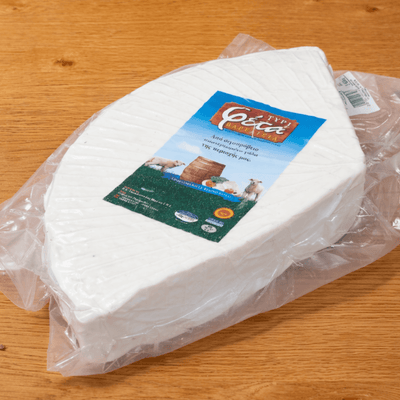
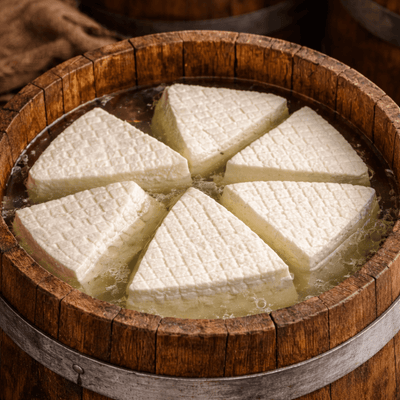
The popular way to keep feta cheese for days is in brine. Place the feta in a spacious container and cover it completely with brine, and store it somewhere cold. You can very easily make your own brine, dissolving around 100 g coarse sea salt in 1 kg of water.
To keep feta fresh for months, store it in a cool place inside a jar covered with olive oil. This tip is ideally recommended for hard feta, but it must be strained well so that it does not have liquid. Additionally, if you want to give a special flavor to your feta, you can add spices or herbs of your choice to the jar with the olive oil where you will place the feta.
To discover all the tips and secrets for storing feta cheese correctly, read our new article How to: Keep feta fresh at home.

How do they store hard cheeses in Crete?
Olive oil and dairy products of Crete are two products that justifiably make Cretans proud. They know well that Olive oil is an excellent preservative for Olives and cheeses like Graviera, Kefalotyri, Dry Anthotyro, and Myzithra. You cut the hard cheese into large pieces and place them in a clean (preferably sterile but cold) glass jar.
Then you can add bay leaves, black pepper beans, small red hot peppers, or the herbs you like, and finally pour the olive oil until the jar is full. In that way, the hard cheeses are kept for months fresh. If you forget the cheese in your warehouse and mold starts to grow, it will be on the oil, not on the cheese. Just wipe it and rinse with lukewarm water; now the cheese is safe to be consumed.
Things to avoid
As we said earlier, hard cheeses are quite durable, especially in countries with cold temperatures. But it’s good to know what not to do. If you want to wrap the cheese, avoid plastic because it will help in the creation of harmful bacteria. Alternatively, use baking parchment paper or wax paper, which prevents additional moisture and allows the cheese to breathe.
Don’t wrap it too tightly, as the cheese will suffocate and is going to smell bad like ammonia. However, if you wrap your cheese too loosely, it will dry out and harden. Remember, you should replace the paper every time you unwrap. Finally, if you end up with a moldy cheese or with dried edges, you can still scrape or cut off these parts and enjoy the rest of the cheese.
➡️ We have just finished writing our new Complete Guide to Greek Feta Cheese. Read it now to find out everything you need to know about this fantastic PDO feta cheese.