

Why Storing Feta Matters
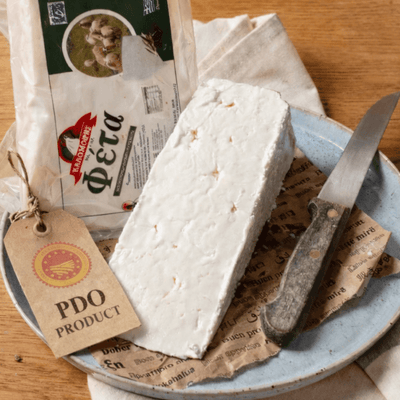
Feta is a fresh, living, flavorful cheese that can lose its charm quickly if not preserved properly. Being rich in natural moisture and crafted with tradition, feta needs the right environment to stay at its best. When stored correctly, it preserves not only its taste but also its fragrance and its cultural authenticity. Taking a few small steps at home means enjoying every bite just as it was meant to be. For a deeper dive into this iconic Greek cheese, explore our Complete Guide to Greek Feta Cheese.
Choosing the Right Container for Feta Cheese
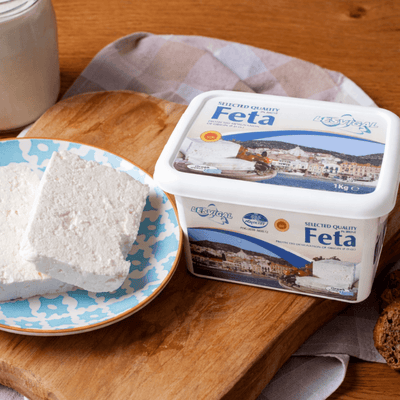
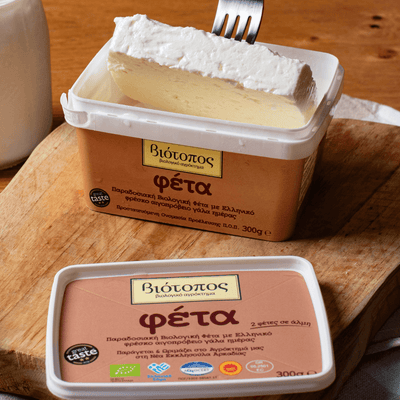
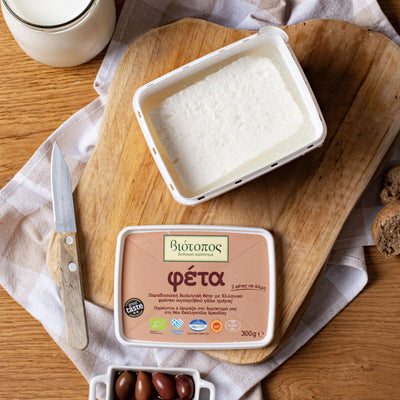
The container you use makes a big difference. Airtight glass jars or food-safe containers help keep your feta from drying out while protecting its authentic flavor. Plastic wrap or loosely covered dishes can let air in, which quickly steals away the freshness. With the right container, you’re giving your cheese the haven it deserves.

Brine: The Secret to Longevity of Feta
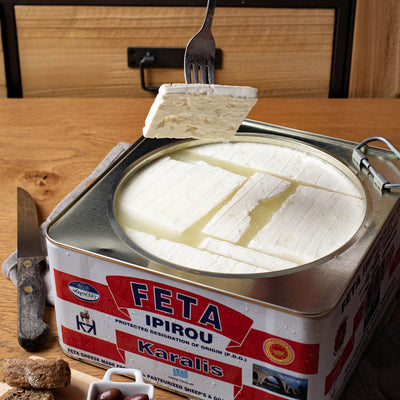
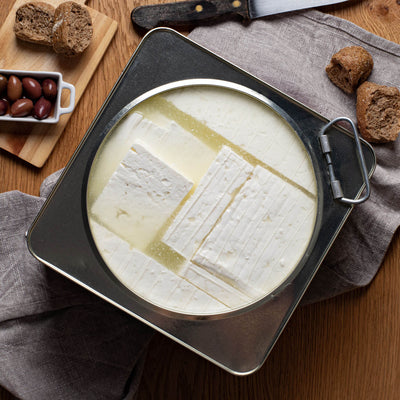
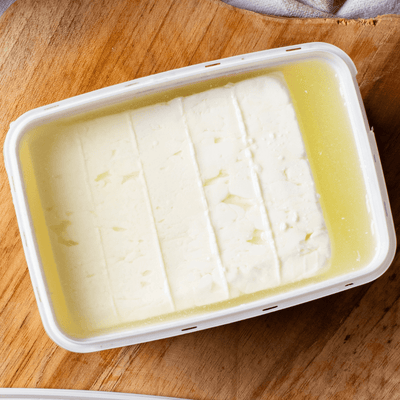
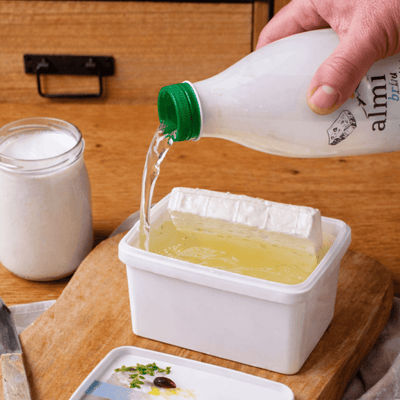
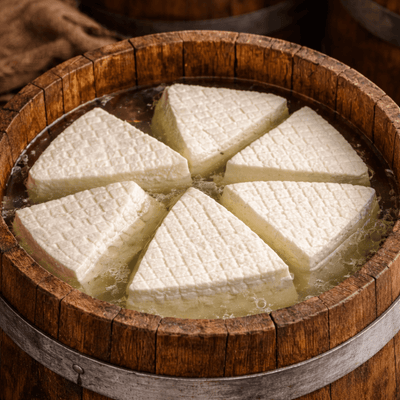
Feta loves to stay in brine, its natural environment. Brine helps maintain the balance of salt and moisture, keeping the cheese creamy and rich. If the original brine is gone, you can easily prepare a homemade solution with water and a pinch of salt; around 10% looks perfect. Refreshing or topping up the brine ensures your feta remains moist, flavorful, and true to its roots.
For an even more authentic solution, Greek Flavours offers Almi Brine, a ready-made product designed specifically to preserve feta and other Mediterranean delicacies. The Almi Brine 1L bottle, produced in Karditsa, Greece, is formulated to keep feta blocks, slices of feta, and other white cheeses, such as goat’s cheese and cow’s milk cheese, in perfect condition. Beyond cheese, it also works beautifully with olives and pickles, keeping them crisp and flavourful.
By using Almi Brine, you can extend the life of your feta, ensuring it retains the firm yet creamy texture and tangy flavour that make it Greece’s most iconic cheese. Whether you enjoy feta in salads, pies, or baked dishes, this high-quality brine helps you recreate the true Greek experience at home, guaranteeing the original taste and consistency of your cheese.

Refrigeration Done Right
Keeping feta cool without freezing it is key. Refrigeration slows down spoilage while maintaining the cheese’s delicate texture, crumbly yet creamy. Store your feta in the coldest part of the fridge, but avoid the freezer: extreme cold can break down the structure and ruin its flavor. With the right temperature, your feta will stay fresh longer.
Avoiding Common Mistakes
Even small missteps can affect the authenticity and shorten the life of your feta. Leaving it uncovered dries it out, rinsing it too often washes away its flavor, and storing it near strong-smelling foods lets it absorb odors.
Another quite common mistake is using the same knife for different foods without cleaning it first. A clean knife prevents cross-contamination from other ingredients, which could accelerate spoilage or alter the taste of your feta.
Also, avoid fishing pieces of cheese directly with your hands. This may introduce bacteria that can compromise freshness. Always use clean utensils and keep the brine free from crumbs or leftovers, as they can cloud the liquid and affect preservation.
Lastly, easy to say but harder to do, resist the temptation to portion out too much feta at once. Take only what you need and keep the rest properly stored in its brine or container. This way, you reduce exposure to air and bacteria while ensuring each serving stays as fresh as possible.

Signs Your Feta Has Gone Bad
Knowing when feta is past its best saves you from disappointment. If it develops an unpleasant sour smell, turns slimy, or shows discoloration, it’s time to say goodbye. Fresh feta should look bright, smell clean, and feel firm yet creamy. Anything less means it’s no longer safe to enjoy.
Creative Ways to Use Leftover Feta
If your feta is nearing its limit, don’t waste it! Crumble it over a salad, stir it into an omelet, or bake it into a savory pie. Mixing it into spreads or tossing it with roasted vegetables are also delicious options. With a little creativity, you can savor every last bite and reduce food waste.
In Greek culture, feta is never just “an ingredient”; it’s the soul of countless family meals. Try adding leftover feta to a dakos, the classic Cretan barley rusk topped with tomato, olive oil, and oregano. Or fold it into a warm spanakopita (spinach pie), where feta’s tangy bite meets tender greens.
You can also explore meze traditions: whip up a quick tirokafteri, a spicy feta dip perfect for sharing with friends, or sprinkle feta over grilled vegetables for a true Mediterranean touch. Even simple dishes like watermelon with feta carry a Greek summertime spirit: sweet, salty, and refreshing.
These small touches not only make the most of your leftovers but also bring authentic Greek flavors into your everyday cooking, turning every meal into a cultural experience. For more inspiration, explore our Authentic Feta Selection or read The History of Greek Feta: From the Origins to the PDO.



1 comment
At last!
A site that speaks clearly and with no pretensions on a subject that they obviously know very well I am happy to have found them and look forward to learning a good deal more
Thank You