From flaky, honey-soaked pastries to nut-filled festive delights, Greek holiday sweets are more than just desserts — they’re a celebration of tradition, family, and joy. Discover the irresistible treats that bring the true taste of Greek festivities to life!
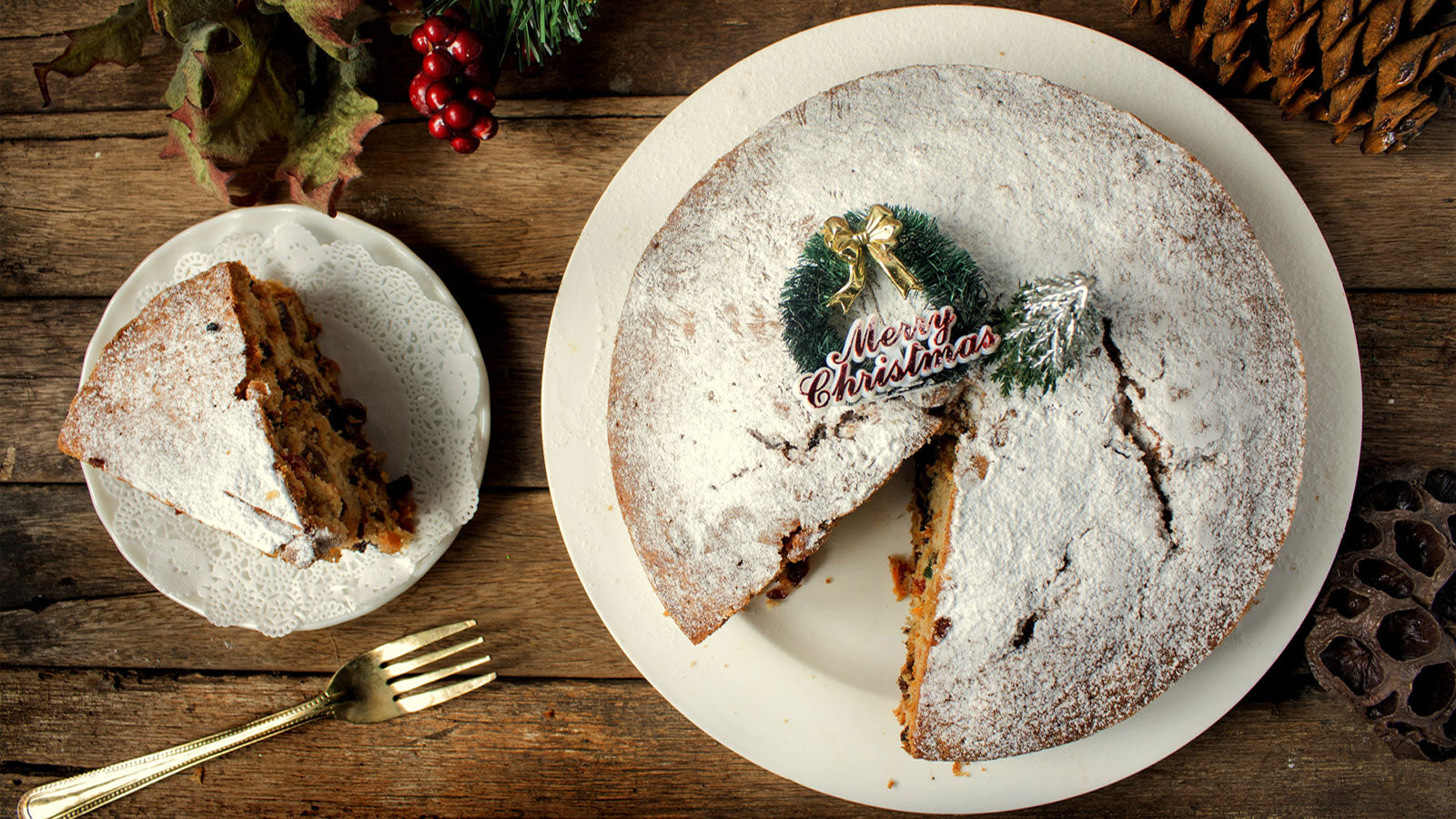
Vasilopita, the cake for the new year
The Vasilopita is the symbol of the New Year and is associated with the feast of St. Basil, from which it took its name. It is the second favorite dessert (after the melomakarona and the kourabiedes) that everyone is looking forward to eating at Christmas time. The form in which we can find it varies. It is made mainly with flour, eggs, sugar, and milk, and the number of the New Year is written on its surface.
The vasilopita cake is traditionally cut on New Year's Day by the landlord of the house, and then he offers it to the guests. It is one of the favorite sweets of young and old and is something that everyone expects as soon as the year changes. Inside this delicious cake, we usually place a charm, known as a "coin", which is said that whoever wins it will be lucky for the rest of the year.
How did the custom of Vasilopita originate?
Saint Basil, the bishop of Caesarea, once faced a difficult challenge when the governor of Cappadocia arrived to collect heavy taxes. The frightened townspeople turned to him for help, offering their most precious possessions as a gesture of goodwill. Miraculously, Saint Basil convinced the governor to leave without taking a single item.
But there was one problem — no one knew which valuables belonged to whom. To resolve this, the Saint ordered small pies to be baked, each with a precious object hidden inside. When the pies were distributed, every person somehow received their own treasure back — a miracle that gave birth to one of Greece’s most beloved traditions.
Since then, Greeks bake Vasilopita, a festive pie with a coin hidden inside, to honour Saint Basil each New Year. And of course, it wouldn’t be a true Greek Christmas without the sweet aroma of melomakarona, kourabiedes, and diples filling every home.

Melomakarona, the world-famous Christmas sweet!
Melomakarona are perhaps the most beloved — and internationally adored — of all Greek Christmas sweets. Their name traces back to ancient Greece, from the word “macaronia,” a ritual meal once offered in memory of the departed. In those times, a small bread resembling today’s melomakarono symbolised the wish for eternal life.
Centuries later, the word gained a sweeter meaning. With the addition of “melo” — meaning honey — the once somber tradition transformed into a joyful symbol of celebration. These fragrant, honey-drenched cookies now shine proudly at every Greek festive table.
And yes, they’re rich and irresistibly indulgent — but anyone who calls melomakarona “too sweet” has clearly never met their buttery, sugar-dusted cousins: the traditional Greek kourabiedes.
Tip: Try the melomakarona with chocolate! They will drive you crazy. Make the melomakarona and then just melt one or two (depending on the quantity) couvertures in a baking pan or in a microwave oven, and cover or dip the melomakarona in the chocolate!
Let it snow with sweet Kourabiedes!
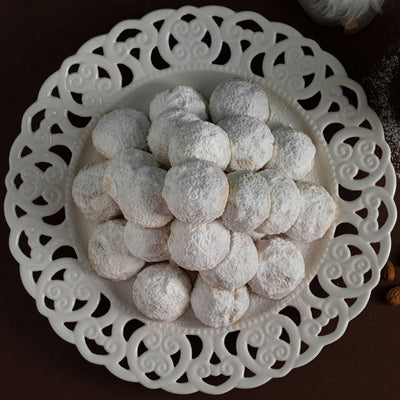
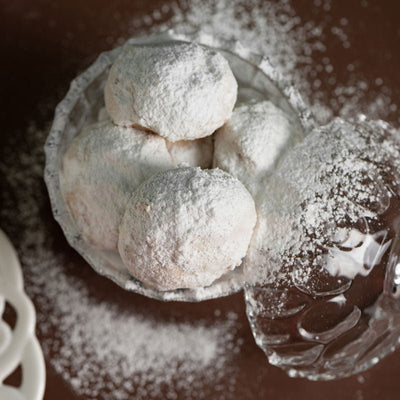
Kourabiedes — or kourabies in the singular — are buttery almond cookies dusted generously with powdered sugar, a true symbol of Greek Christmas. Their name has Persian roots, from Qurabiye, meaning a sweet made with flour, butter, and sugar — though in Greek, kourabies literally translates to “dry biscuit.”
Over time, this “dry” cookie has evolved into something far more indulgent — rich with roasted almonds or walnuts and coated in a snowy layer of powdered sugar that melts on your fingertips. Traditionally served during Christmas, baptisms, and weddings, kourabiedes are synonymous with celebration and hospitality.
And while some might argue that Santa prefers chocolate chip cookies, in Greece, the debate is always between melomakarona and kourabiedes — a delicious rivalry that makes every festive season even sweeter.
See our kourabiedes recipe and learn how you can make your own Greek traditional cookies.
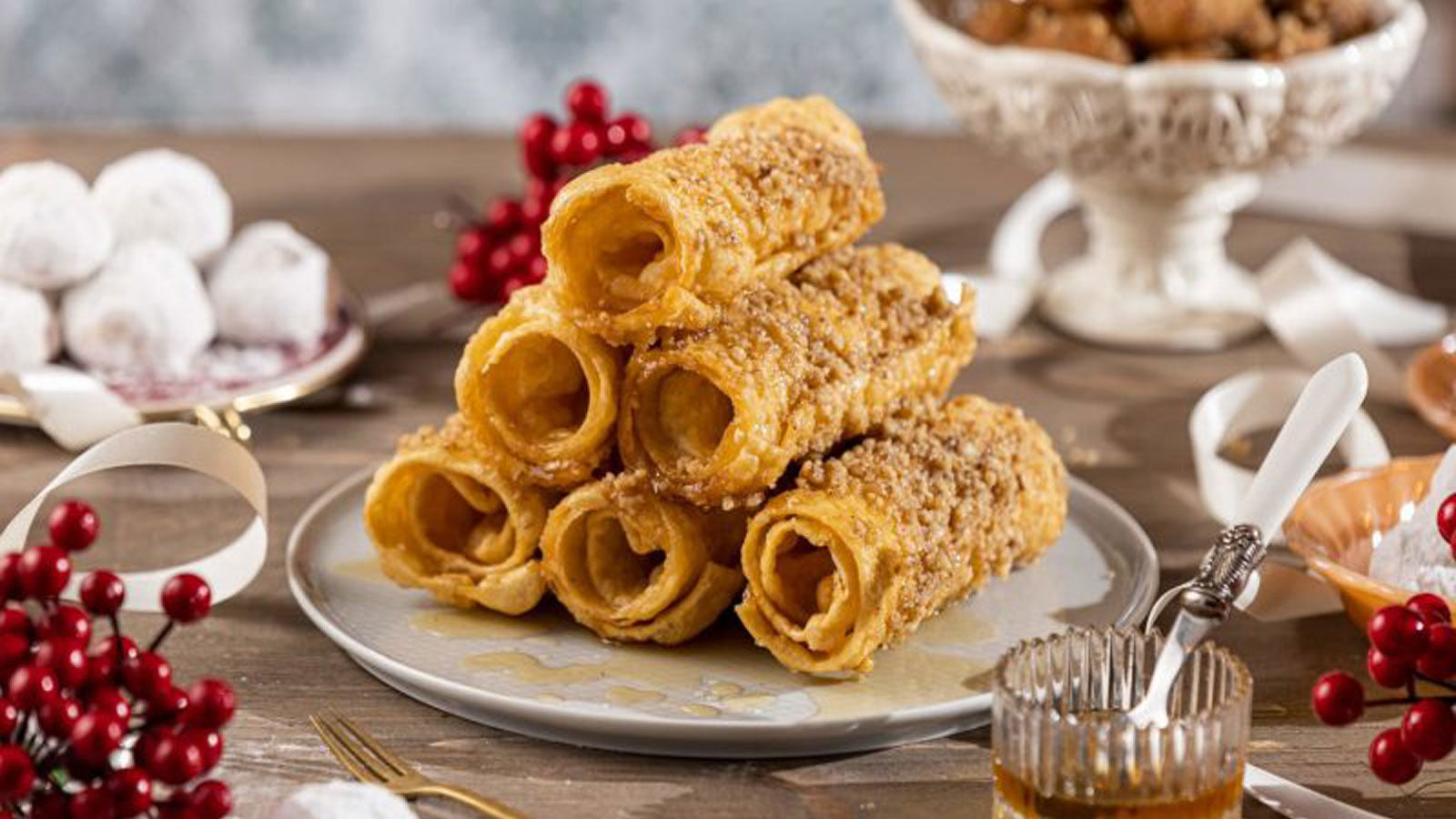
Diples: the sweet from Peloponnese
Diples are one of Greece’s most traditional and symbolic desserts — thin, crisp sheets of dough fried to golden perfection and drenched in honey. Originating from the Peloponnese, and especially beloved in Messinia, these delicate sweets are as beautiful to look at as they are to eat.
Their name comes from the Greek word for “folds,” describing how the dough is rolled, folded into elegant shapes, fried, and then soaked in honey or syrup, sprinkled with cinnamon, and chopped walnuts.
Beyond their taste, diples carry deep symbolism: their folds are said to represent the swaddling clothes of Christ, while the honey stands for prosperity and sweetness in the year to come. Traditionally served on New Year’s Eve — and often at weddings, engagements, and baptisms — they are the perfect blend of celebration, faith, and Greek craftsmanship.
Greek Easter time is tsoureki time.
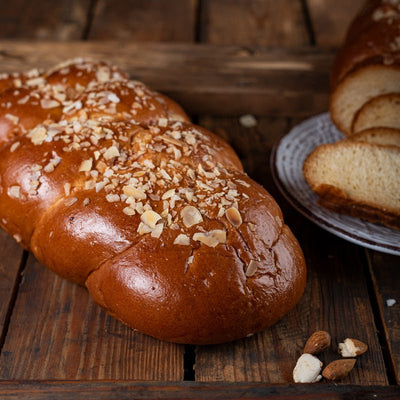
During Easter in Greece, it’s almost impossible to find a home without the sweet scent of tsoureki or freshly baked Easter cookies filling the air. Each family has its own treasured recipe, but these festive treats share one thing in common — their signature braided shape, believed to ward off evil spirits and invite good fortune.
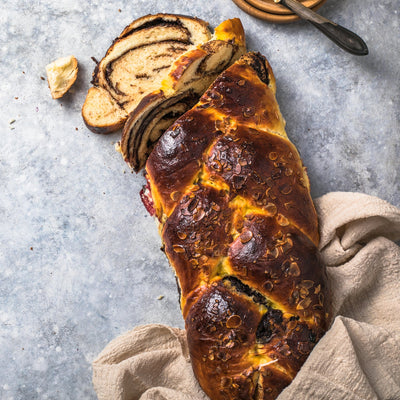
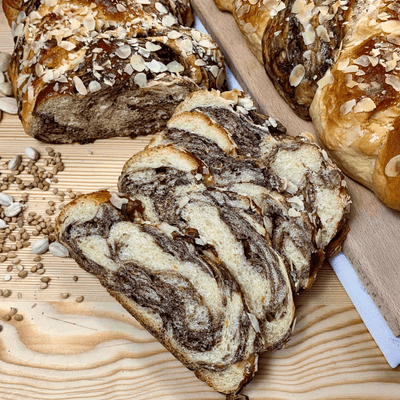
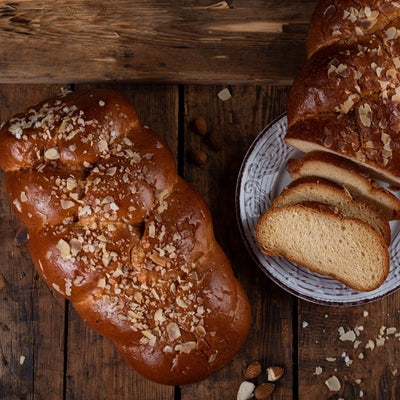
Tsoureki is a soft, aromatic sweet bread enjoyed throughout the year, though it takes centre stage at Easter and Christmas. Its name likely comes from the Turkish çörek, meaning a type of enriched bread, but over the centuries Greeks have perfected their own version — rich with milk, butter, and eggs, and often infused with mahlepi and mastiha.
More than just a sweet bread, tsoureki is a symbol of rebirth and renewal — the resurrection of Christ and the miracle of life itself, as simple flour transforms into warm, living bread.
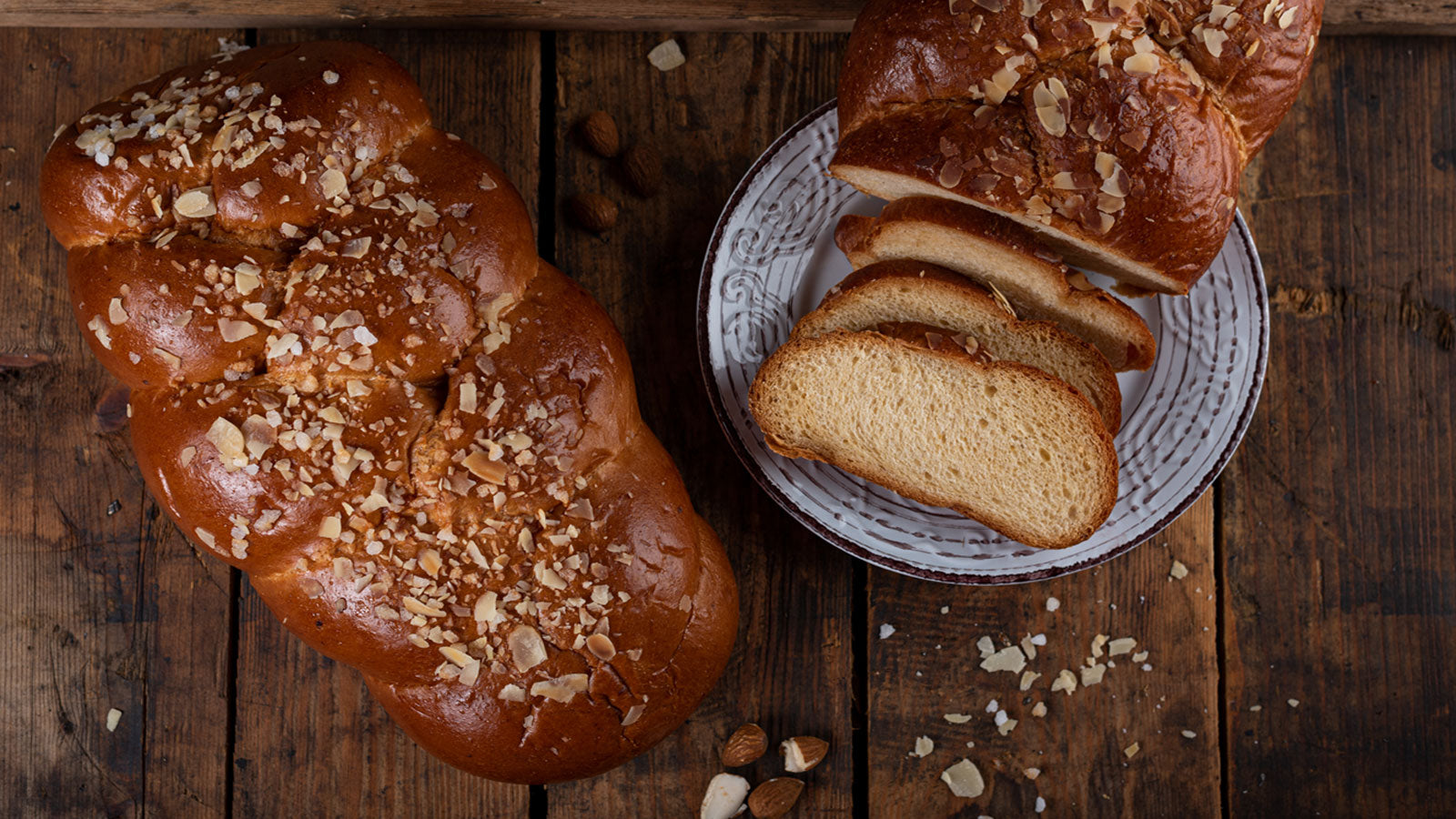
The shape of Easter tsoureki changes from region to region, each area adding its own touch to this beloved tradition. The most iconic version is the classic braided loaf — sometimes adorned with a red egg symbolising life and resurrection.
Today, tsoureki comes in many irresistible variations: filled with rich chocolate, creamy chestnut, or flavoured in the traditional politiko style — a recipe inspired by Constantinople, known for its warm, aromatic spices.
And as tsoureki dough rises in kitchens across Greece, so do trays of freshly baked Easter cookies, shaped by hand into intricate designs and flavoured with orange, vanilla, or even chocolate chunks for an extra hint of sweetness.
Clean Monday: iconic Lagana flatbread
Lagana is a traditional Greek flatbread made without yeast — simple, pure, and deeply symbolic. According to tradition, it represents the unleavened bread God gave the Israelites during their Exodus from Egypt, a symbol of humility and faith.
The term “Clean” in Clean Monday comes from the old custom of housewives scrubbing every pot and pan with hot water and ashes at dawn, cleansing both home and spirit in preparation for Lent.
The classic lagana recipe is beautifully minimal: just flour, water, salt, aromatic herbs, and a generous sprinkle of sesame seeds. Baked until golden, it takes centre stage on the Clean Monday table, served alongside classic Lenten dishes like tzatziki, taramosalata, or melitzanosalata — and, of course, paired with the sweet, nutty flavour of halva.

Clean Monday: Halva from semolina
No Clean Monday table in Greece is complete without halva — the humble yet beloved dessert enjoyed across the Balkans and the Middle East. Though it’s eaten year-round, halva takes on special significance during Lent, as it’s naturally free from any ingredients forbidden during fasting.
Traditional semolina halva begins with slowly roasting the semolina until fragrant, then sweetening it with honey or petimezi (grape must syrup). The result is a simple, comforting dessert that embodies the spirit of Lenten purity.
Another much-loved version is Macedonian halva, made from tahini. Its smooth, nutty texture and rich sesame flavour have made it a favourite throughout Greece — now available in countless variations, from classic almond to decadent chocolate.