

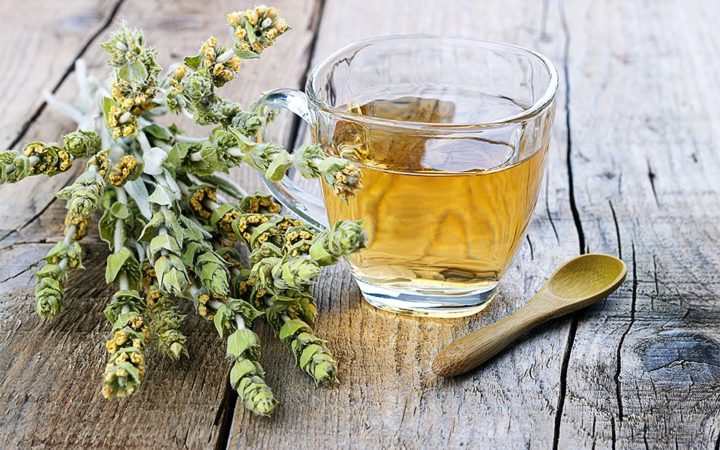
Greek mountain tea has been one of the most popular Greek herbs since ancient times, and it is still drunk every day in Greek homes, hot in winter and cold in summer. It is also called shepherd tea.
Greek mountain tea is made from plants belonging to the genus Sideritis. It is also known as "Sideritis" and its name comes from the Greek word "sideros", which means "iron".
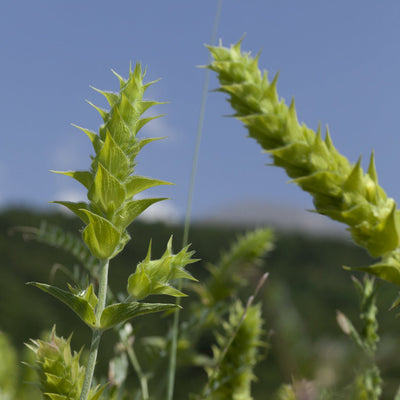
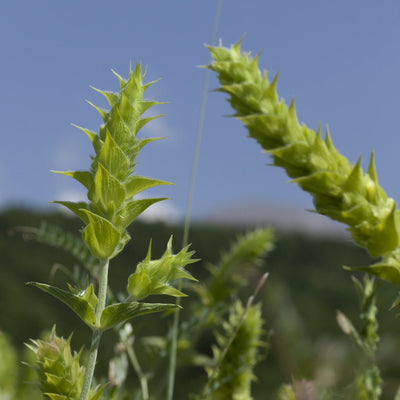
Greek mountain tea also called sideritis or shepherd tea
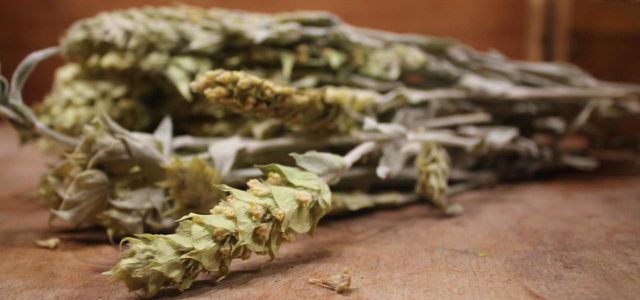
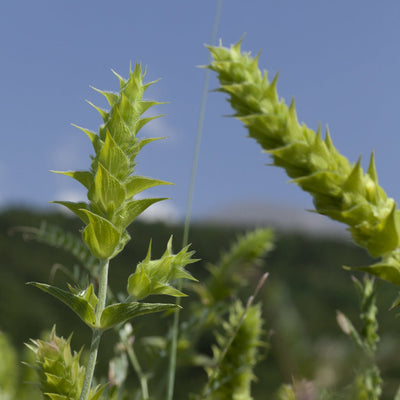
To this day, tea is collected in the traditional way. There are 150 different species of the Sideritis plant genus, from which mountain tea is made. Sideritis scardica is the plant that is commonly used for Greek mountain tea.
The different species grow mainly in the Mediterranean area including the region of Greece from an altitude of about 1000 meters. Cultivation at low altitudes and in large monocultures gives a plant with far less aroma than the wild sideritis of the mountains.
However, not all mountain teas have the same concentration of essential oils and antioxidants, which are very important for their quality.
It is important to note that sideritis is one of the endangered species. Other subspecies of Greek mountain tea are also sold in Germany. If you want to buy Greek mountain tea, you should definitely pay attention to organic quality, as herbal teas in particular are often contaminated with pesticides.
One can also find Greek mountain tea as verbena - the Greek "Verbena".
Greek mountain tea: aromatic properties and harvest

Sideritis has been gathered in the Greek mountains for as long as anyone can remember, and it was already known in ancient Greece. Its name comes from sideros, iron, and has stayed with the plant ever since. Today it is still picked by hand in early summer, when the stems carry their small yellow flowers, mostly above 1,000 metres: on Olympus, Parnassus, Taygetos, the Pindus range and the mountains of Crete.
The stems are tied in bunches and dried in the shade, so that leaves and flowers keep their colour and aroma. Each mountain has its own species: Sideritis scardica in the north, Sideritis raeseri on the Pindus, Sideritis clandestina on Taygetos, Sideritis syriaca on Crete. That is why a mountain tea from Crete and one from Macedonia never taste quite the same.
How Greeks drink mountain tea

In Greek villages tsai tou vounou is the everyday drink of the cold months: a pot left simmering on the stove, a cup after coming in from the fields, a glass with honey and lemon in the evening. In summer the same tea is drunk cold, straight from the fridge. Shepherds carried it up to the high pastures, which is why many Greeks still call it shepherd's tea.
The taste of Greek mountain tea

The taste of the Greek mountain tea is light, aromatic, spicy with a slight sweetness. Mountain tea is best to drink with a large pinch of lemon, as the vitamin C in citrus fruits helps the body absorb iron.
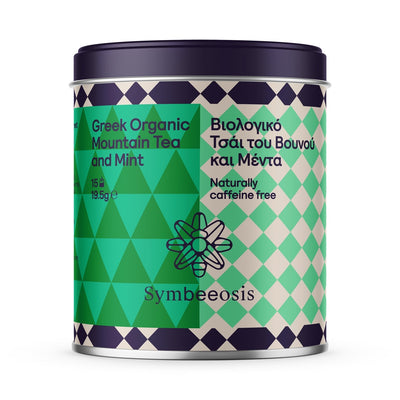
Tip: For a better taste soak it along with other tasty herbs like mint and chamomile or flowers leaves and stem - adding these herbs only adds to the health benefits of your drink!
Ingredients of Greek mountain tea
Sideritis scardica includes, among other things:
- minerals such as zinc and potassium,
- bitter and tannins,
- flavonoids,
- antioxidants,
- essential oils such as myristicin, menthol, thymol, carvacrol.
How to make Greek mountain tea

For the preparation of mountain tea, we recommend using five to six generous tablespoons of cut or crushed mountain tea for one liter of tea. Boil the water and pour it over the plant parts - this is how the essential oils and flavonoids can dissolve particularly well. The best brewing time is around 5 minutes. In some regions of Greece, mountain tea is traditionally boiled on the stove for 10-15 minutes.
The cold version of Greek mountain tea is recommended and preferred by many people in Greece, especially in summer. To try its cold version, pour the mountain tea into a glass teapot with cold water and let it steep in the refrigerator for about 12 hours. You get a particularly delicate taste with very fine herbal notes.
Greek mountain tea is the new green tea
Famous for its health properties , enjoyed for its mild, smooth, deliciously appealing flavor. With an earthy taste with floral notes plus subtle hints of citrus and mint and naturally caffeine free. This magic herb with its small yellowish flowers and silvery leaves known as sideritis or shepherd tea, is a must for a healthy lifestyle.
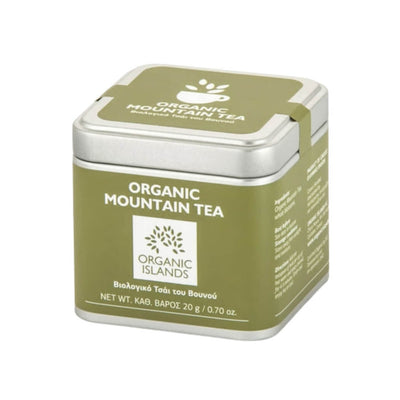
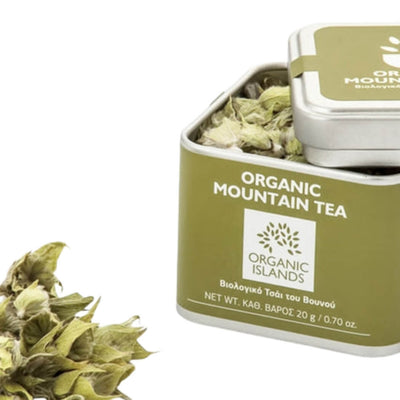


5 comments
It was said in a health tips podcast that the tea should be steeped at 180°F for optimal benefits. This versus boiling in this article. Which is best?
I bought Mountain Tea today in Kelowna, Canada.
I noticed that in your article, you talked about Sideritis Scardica. The Latin name of my tea is Sideritis Raeseri.
Is there any significant difference between these two “varieties”?
I will have a first cup tonight and will tell you all about my experience.
Thank you!
I live on the west coast of Canada, in the Vancouver area. I bought Mountain Tea seeds frm a reputable seed company on Salt spring Island, and I now have beautiful and bountiful Mountain Tea in my back yard. I drank a cup this morning!
I was saddened to see your comment that it does not have such amazing health benefits and support as it was not grown at high altitude. I am growing, harvesting and making tea ayway1
April2025
Absolutely Wonderful !!!
I buy it every year when I go to Athens !
I recently along with my Husband had Covid , I took even more of it than I normally do …
the COVID was Over in 8 days,
with no ill , or after effects …
and NO COUGHING !
This Tea is absolutely Amazing
But should be bought Organic from a reliable source
M🌹
A good read, but it is alarming to read it endangered now. I have recently found it in a good Eastern Med products shop in the UK.