Skip to content


Feta in the Weekly Greek Diet
In Greece, feta is more than just a cheese; it is a ritual that brings friends and family together. At the family table, feta often takes center stage, placed in the middle of a shared plate so everyone can cut a piece directly from it. This simple gesture of reaching for the same feta creates a moment of union, reflecting the warmth and conviviality of Greek hospitality. Whether enjoyed with fresh bread, olives, and tomatoes, or paired with seasonal vegetables, feta is present in households across Greece several times a week. It represents not only nourishment but also a gesture of togetherness, where flavor and tradition blend into one shared experience. To explore more about its heritage and uses, visit our complete guide to Greek feta.
What Makes Feta Unique
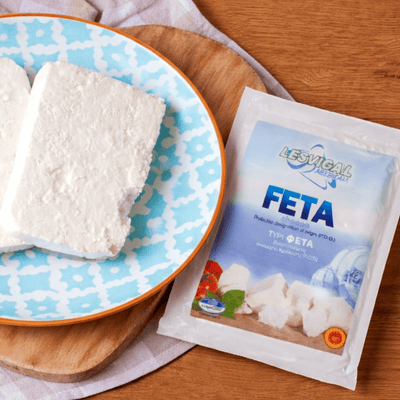
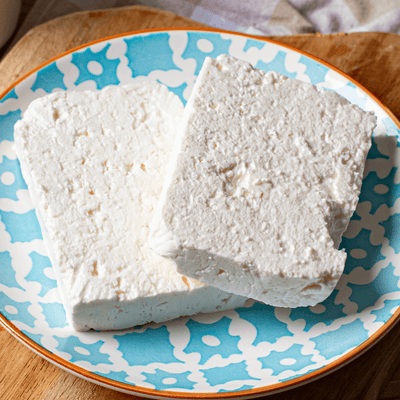
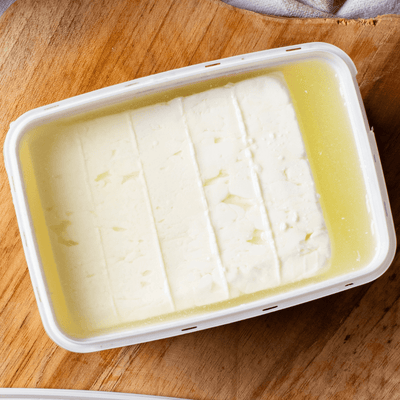
Beyond its role at the table, feta is deeply appreciated for its character. It is made from sheep's milk, or sheep's milk with a share of goat's milk, and matured in brine, which gives it its tangy flavour and its crumbly yet creamy texture.
This makes feta a unique cheese: fresher in taste than many aged varieties, it fits naturally into the Mediterranean way of eating. Enjoyed regularly and in moderation, it remains a flavorful, traditional part of the Greek table.
The Greek-Style Mediterranean Diet: Basics and Traditions
The Greek-style Mediterranean diet is one of the most loved food traditions in the world. Rooted in centuries of tradition, it emphasizes fresh vegetables, fruits, legumes, whole grains, olive oil, and moderate amounts of fish and dairy, with feta often serving as the cheese of choice.
This approach is built on simple, seasonal ingredients cooked at home. Above all, the Mediterranean diet is a lifestyle: meals are meant to be enjoyed slowly, in good company, reflecting the values of moderation, variety, and conviviality. This way of eating has endured for generations as a sustainable model that harmonizes pleasure, tradition, and everyday life.

The Best Pairings for Feta in the Greek-Style Mediterranean Diet
Feta shines when combined with fresh, wholesome foods. In the classic Greek salad, made of tomatoes, cucumbers, onions, olives, and extra virgin olive oil, it brings brightness and depth. It also finds its place in warm recipes, like the traditional baked feta with cherry tomatoes recipe, where heat and simplicity elevate its flavor. On the grill, feta’s firm texture makes it a delicious choice for smoky, summer dishes.
Feta Paired with Legumes: A Question of Taste and Tradition
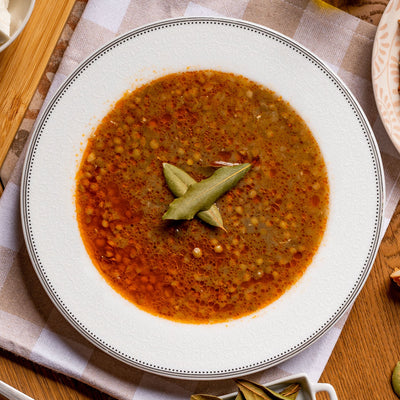
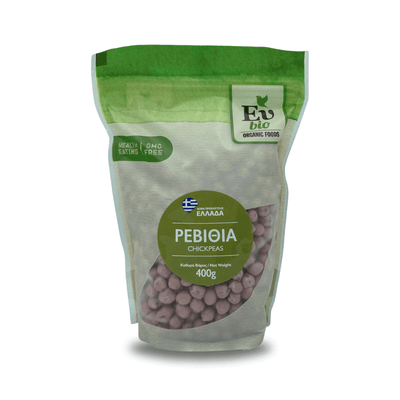
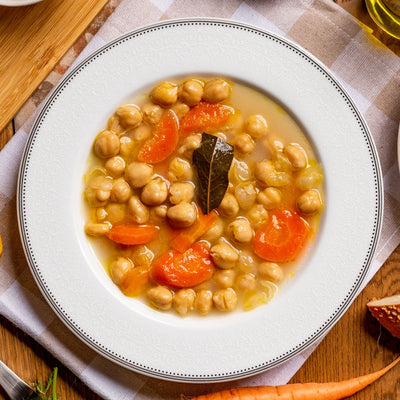
Legumes are central to the Mediterranean diet. When paired with feta, they achieve a perfect balance of texture and taste. A humble lentil soup topped with crumbled feta or a chickpea salad dressed with olive oil, fresh lemon juice, and herbs becomes a complete, satisfying meal. This harmony of flavors reflects centuries of Greek wisdom: pairing ingredients for both taste and tradition. And for those who enjoy exploring sweet contrasts, don’t miss the fried feta with honey recipe for a creative twist.

Discover More About Feta
If you'd like to learn more about the delicious world of Greek feta, you can read: