Skip to content

Differences in the Production Methods of Feta, Manouri, and Anthotyro
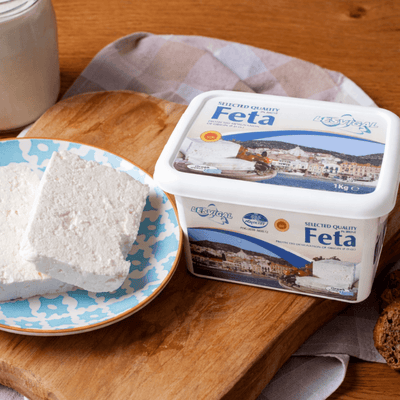
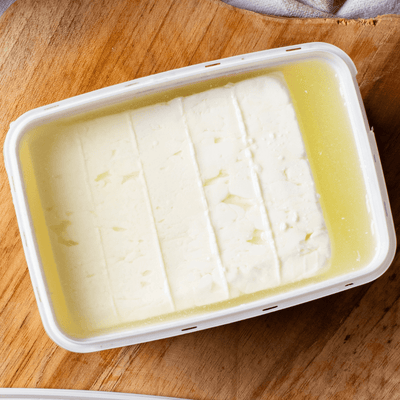
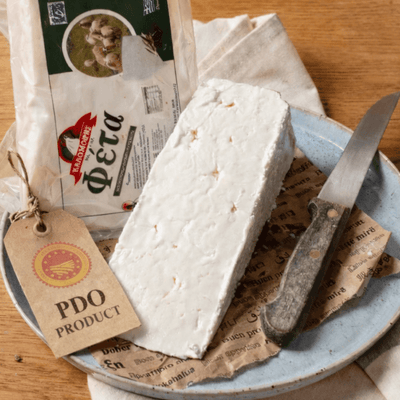
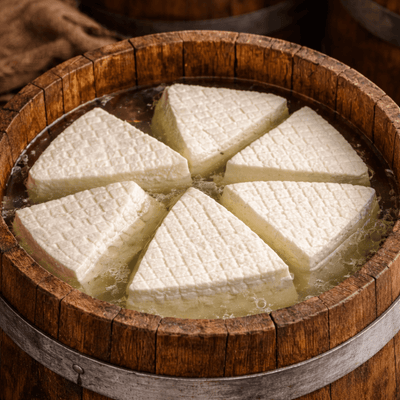
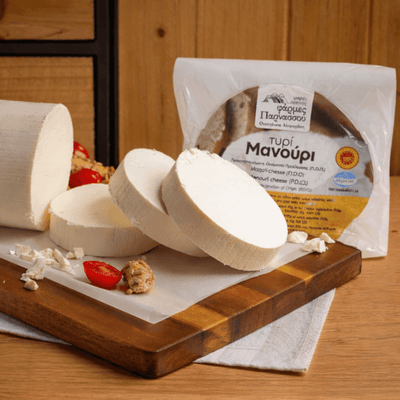
Feta is for sure the best-known Greek cheese, a Protected Designation of Origin (PDO) product made from sheep’s milk or a blend of sheep’s and goat’s milk. Its unique character comes from being matured in brine for weeks, resulting in a crumbly, tangy cheese with a bold flavor. In contrast, manouri is made from the whey left over from the production of feta and other cheeses, enriched with cream for a buttery texture and mild taste. Anthotyro, another traditional Greek cheese, is produced in two variations: fresh anthotyro, characterized by its soft, airy, slightly sweet texture, and dry anthotyro, which matures into a harder, saltier form ideal for grating (super yummy on pasta!). These cheeses highlight the diversity of Greek dairy tradition, each reflecting centuries of craftsmanship and local expertise.

Uses of Manouri, Fresh Anthotyro, and Dry Anthotyro
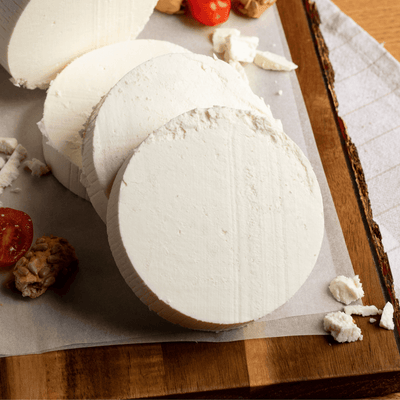
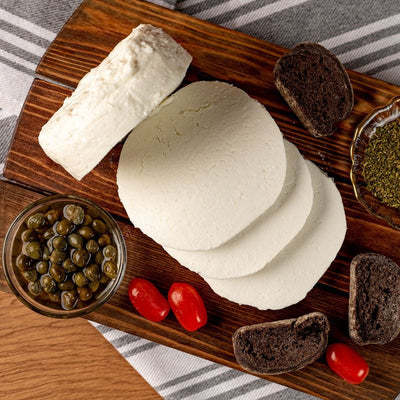
Manouri is a cheese often described as the “hidden gem” of Greek dairy. Its mild flavor and creamy body make it an excellent alternative to heavier cheeses. Served fresh, it pairs wonderfully with a drizzle of olive oil and a sprinkle of oregano, or with honey and walnuts for a wholesome dessert. In cooking, manouri shines in pies like hortopita (wild greens pie) or as a filling for sweet pastries. Tip: Thanks to its lower salt content, it can be used to balance salty ingredients such as olives or cured meats in a dish.
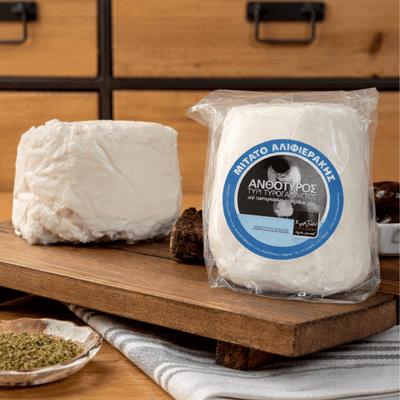
Fresh anthotyro is soft, delicate, and slightly sweet. It is perfect for breakfast or light meals. It is often enjoyed with seasonal fruit, like figs, grapes, or peaches in summer, apples and pears in winter, and topped with honey or nuts for a natural pairing. In savory contexts, it can be used as a spread on rustic bread or as a lighter substitute for ricotta in Mediterranean recipes. Tip: due to its moisture, fresh anthotyro is best consumed quickly and stored in the fridge wrapped in parchment to maintain its delicate aroma.
Dry anthotyro is the matured version, firm and salty, with a profile similar to hard cheeses like pecorino. It is widely grated over pasta dishes, baked vegetables, or even into omelets to add a savory depth of flavor. In Greece, it is often found grated over traditional dishes such as pastitsio or baked stuffed vegetables (gemista). Tip: once cut, keep it in an airtight container in the fridge to preserve its flavor and avoid excessive drying. Its robust character makes it an excellent finishing touch for dishes that need an extra savory note.
Cooking with Feta Cheese: Recipes and Tips
Few cheeses can match feta’s versatility in the kitchen. Uncooked, feta adds a sharp, briny accent to dishes like the classic Greek salad with feta or even seasonal combinations such as watermelon and mint. Cooked, it transforms into a creamy, flavorful element: baked in parchment with cherry tomatoes and peppers, pan-fried and paired with honey in the fried feta with honey recipe, or tucked into savory pastries like spanakopita with feta. For oven dishes, baked variations like the baked feta with cherry tomatoes recipe offer a warm and comforting taste. Thanks to its structure, feta holds its shape when heated, offering endless creative possibilities in the kitchen.

Comparison of Feta and Mizithra, Especially in Salads
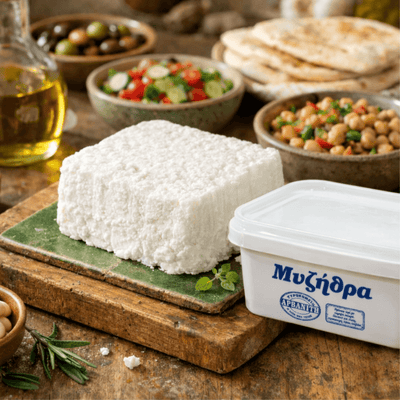
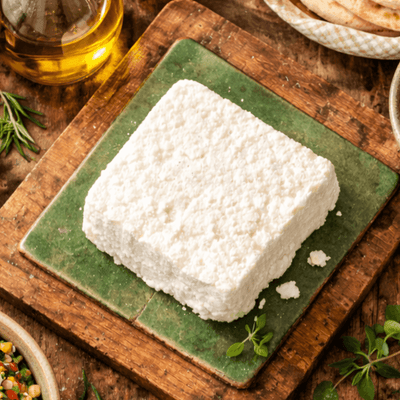
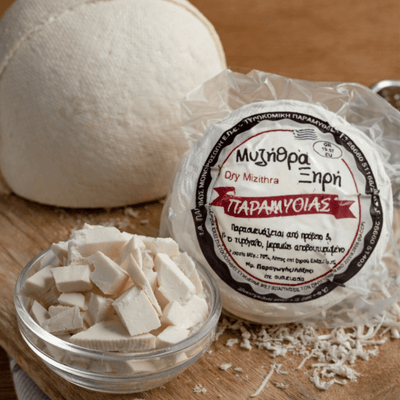
While feta remains the classic choice for salads thanks to its crumbly texture and tangy taste, mizithra brings a very different character. Traditionally, mizithra is produced from the whey left over after making other cheeses, usually enriched with small amounts of milk or cream. It exists in two main forms: fresh mizithra, which is soft, moist, and slightly sweet, and dry mizithra, which is firm, salty, and ideal for grating.
Fresh mizithra is often enjoyed as a dessert cheese, paired with fruit or honey, or spread on warm bread. Its subtle taste makes it a good choice for those who prefer milder flavors, and it can even be used as a substitute for ricotta in Mediterranean-inspired recipes. Tip: Because fresh mizithra is highly perishable, it should be consumed within a few days of purchase and kept refrigerated in an airtight container.
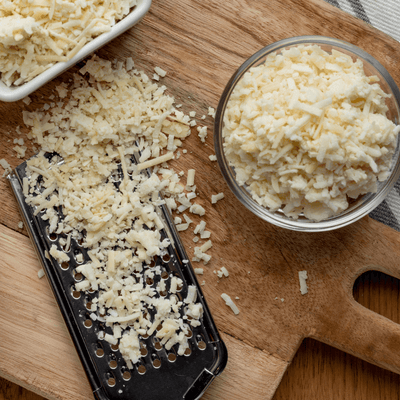
Dry mizithra, on the other hand, plays a completely different role. With a robust, salty intensity, it is a favorite for grating over pasta dishes, soups, or roasted vegetables. In traditional Greek cuisine, it is often sprinkled over spaghetti with tomato sauce as a quick yet authentic comfort food. Tip: dry mizithra tends to harden further once opened, so store it carefully wrapped to maintain its texture and flavor.
When it comes to salads, feta offers boldness and structure, balancing olive oil, cucumbers, and tomatoes with its sharpness. Mizithra, by contrast, provides either a creamy mildness (when fresh) or a salty punch (when dry), giving cooks two distinct options depending on the desired effect. Both cheeses highlight the rich diversity of Greek dairy craftsmanship, where nothing from the cheesemaking process is wasted and every variation finds its place at the table.