A Greek aperitivo at home is a small table of mezedes put out in the early evening, something to pick at slowly with a cold drink while the day cools down. It is not quite a meal and not quite a snack. It is the hour before dinner, or sometimes in place of it, when olives, a little cheese, a few things from a jar, and some good bread come to the table and stay there while the conversation does the rest. If you have ever sat at a taverna before sunset with a plate of olives and nowhere to be, you already know the feeling this brings home.
This guide is about that hour: what to put out, how much, and how to build it without cooking. It is the aperitivo corner of the wider summer table; for the full picture of the no-cook Greek table, see the complete Greek summer table guide. Here, the focus is the evening spread, with olives at its centre, the way a Greek evening tends to begin.
What a Greek aperitivo at home actually is
In Greece, the early evening has its own ritual. Before dinner, or stretching long enough to replace it, a few small plates appear: olives first, almost always, then whatever is in the house. A little feta, some dolmades from a jar, bread, and a drizzle of olive oil. Alongside it, a cold drink, an ouzo with water, a tsipouro, a glass of cold white wine. The food is the centre of it. The drink is the company.
What makes it an aperitivo rather than a meal is the pace and the scale. Nothing is plated as a course. Everything sits out at once, in small quantities, and people help themselves for an hour or two. It is unhurried by design, and because almost nothing needs cooking, the person who set it out gets to sit down too. That is the part worth bringing home: the evening is the point, not the kitchen.
What to put on the aperitivo table
The Greek aperitivo is built outward from olives. Everything else is chosen to sit alongside them.
Olives, first and always
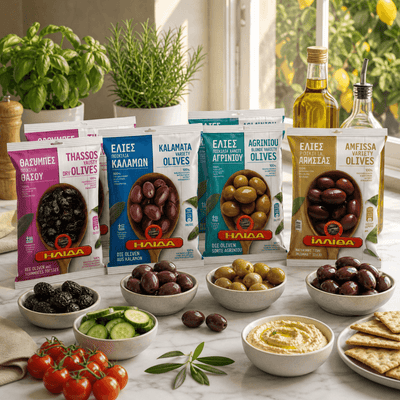
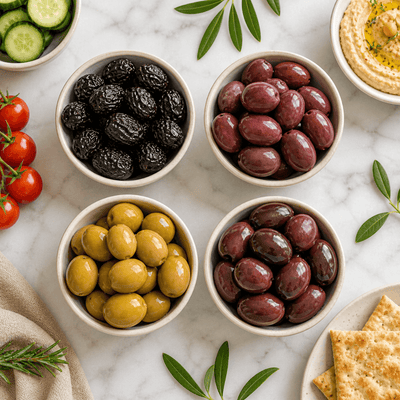
Olives open the Greek evening. A bowl of dark Kalamata, glossy and almond-shaped, is the one constant; a second bowl of large green Halkidiki gives a milder, meatier contrast. Put them out in two separate bowls rather than mixed, so each keeps its own character. Bought with the stone in, they hold their texture and flavour over a long, slow evening. Start the table here, with the Greek olives, and build the rest around them.
A few mezedes from the jar
Around the olives go two or three small things, all of them ready to serve. Dolmades, the stuffed vine leaves, with a squeeze of lemon. Peppers stuffed with cheese. Roasted red peppers in oil. Each goes straight from the jar into its own small dish, and the variety is what makes the table feel generous. This is the heart of the Greek meze and aperitivo selection, chosen to be opened and eaten without preparation.
Cheese and bread to anchor it
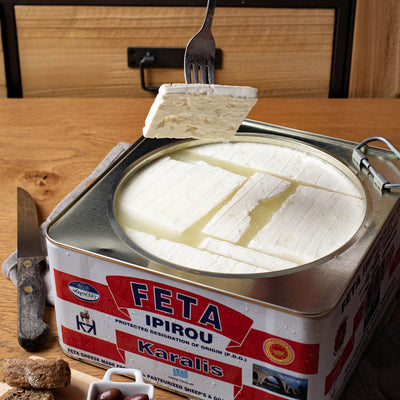
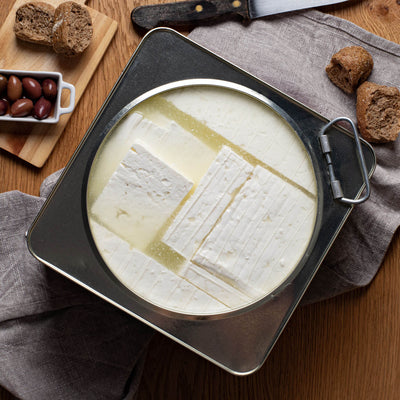
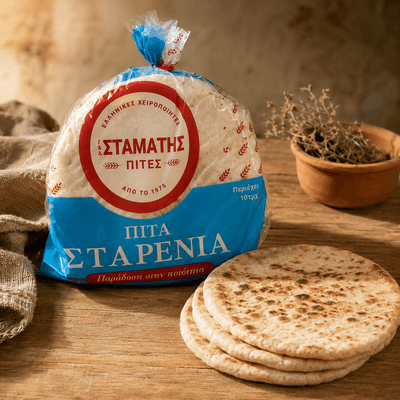
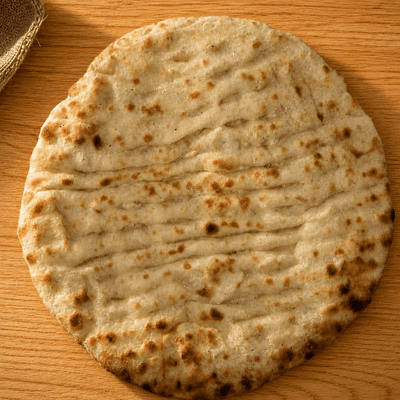
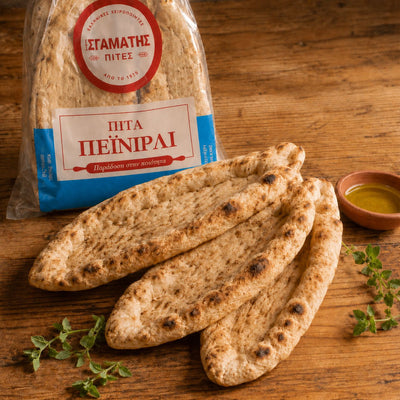
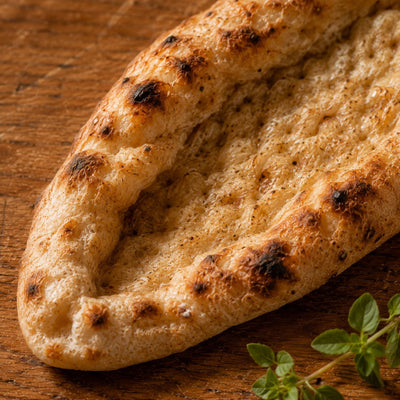
A wedge of feta with oil and oregano, or a harder aged cheese cut into pieces to pick at, gives the table something to return to between olives. Warm pita, torn into wedges, is what carries everything else. Thirty seconds in a hot, dry pan wakes it up, and it is the only warm element the evening really needs.
The drink, kept in its place
A Greek aperitivo has a drink beside it, an ouzo cut with water and ice, a tsipouro, or a cold glass of white wine. It belongs to the ritual, but it stays in the background. The olives and the mezedes are what the table is about, and they are what people reach for first. Keep the food generous, and the drink simply keeps it company.
A Greek aperitivo spread at a glance
These amounts make a comfortable aperitivo for four, generous without turning into a full dinner. Scale up by adding more of the same, and add a second cheese if the evening is replacing dinner rather than starting it.
| Element | Amount for four | Role |
|---|---|---|
| Olives, two kinds | 250 to 300 g total | The constant, put out first |
| Jarred mezedes | 2 to 3 jars | Variety, opened and plated |
| Feta or aged cheese | 200 to 250 g | Something to return to |
| Pita | 4 to 6 | Warmed, torn, carries everything |
| Olive oil | A small jug on the table | Poured over cheese and meze |
Setting up a Greek aperitivo without cooking
The whole point is that it comes together in minutes. Take the olives, cheese, and any jarred mezedes out of the fridge half an hour ahead so the cold comes off them, since cold flattens both olives and cheese. Open the jars and tip each into its own small dish. Break the feta into rough pieces, oil it, and scatter oregano. Warm the pita last, tear it, and pile it in a basket. Put the olive oil and a few lemon wedges within reach, pour the drinks, and sit down.
Because almost everything keeps, an aperitivo is the easiest evening to keep ready for. Olives, jarred mezedes, and olive oil hold for months in the cupboard, feta keeps in the fridge, and pita freezes and reheats straight from frozen. A standing stock of the Greek olives and a few jars from the Greek meze and aperitivo selection means the evening is always an option. Everything is shipped from Greece and delivered across Europe, so one order can keep several evenings stocked.
Frequently asked questions about a Greek aperitivo at home
What is a Greek aperitivo?
A Greek aperitivo is a small spread of mezedes eaten in the early evening with a cold drink, before dinner or in place of it. Olives are the centre, joined by cheese, a few jarred meze like dolmades and stuffed peppers, and warm pita. It is informal and unhurried, with everything put out at once and shared slowly rather than served in courses.
What do you serve at a Greek aperitivo?
Start with olives, two kinds if you can, then add a wedge of feta or aged cheese, two or three jarred mezedes such as dolmades and stuffed peppers, warm pita, and good olive oil. A cold drink sits alongside, but the food leads. Almost none of it needs cooking, which is what makes the aperitivo easy to set out on any evening.
How much food do I need for a Greek aperitivo?
For four people, around 250 to 300 grams of olives, two or three jars of mezedes, 200 to 250 grams of cheese, and four to six pita are comfortable. It should feel generous without becoming a full dinner. If the aperitivo is replacing dinner rather than preceding it, add a second cheese and another jar or two.
Which olives are best for a Greek aperitivo?
Dark Kalamata olives are the classic choice and the one most people picture. For contrast, the large green Halkidiki olive is milder and meatier. Putting both out in separate bowls gives the table range that a single variety cannot. Olives bought with the stone in hold their texture over a long evening.
Can I prepare a Greek aperitivo in advance?
Almost entirely. The shopping lasts for weeks because olives, jarred mezedes, and oil are stable in the cupboard, and feta keeps in the fridge. On the evening itself, the only tasks are opening jars, breaking the feta, warming the pita, and pouring the drinks, which together take about fifteen minutes. Take the olives and cheese out of the fridge half an hour ahead so they are not served cold.