 Skip to content
















You might also love
-

Feta cheese PDO
Feta Cheese: The Authentic Taste of Greece Straight to Your Table If...
-

Greek Cheese
Discover Authentic Greek Cheeses Welcome to our curated collection of authentic Greek...
-

Greek Olives and EVOO
GREEK OLIVES AND OLIVE OIL: QUALITY, FLAVOUR AND CULTURE Greek olives and...
-

Greek Honey
Greek Honey: Pure Mediterranean Excellence Greek honey is one of the most...
-

Greek Coffee & Tea
GREEK COFFEE, THE FLAVOURS AND SCENTS OF THE TRADITION Greek coffee is...
-

Dips & Spreads
SPREADS - The best part of the traditional Greek cuisine, as it is...
-

Greek Yogurt
Greek Yogurt: Authentic Taste, Thick Texture & High-Protein Goodness Looking for real...


A Greek dinner at home starts with the right products on the table, not with a long recipe list. Olives, warm pita, a few meze, good cheese, something to grill, and something sweet to close. This collection brings together everything a real Greek host would put in front of guests. No specialist equipment. No complex preparation.
How to build your Greek dinner table
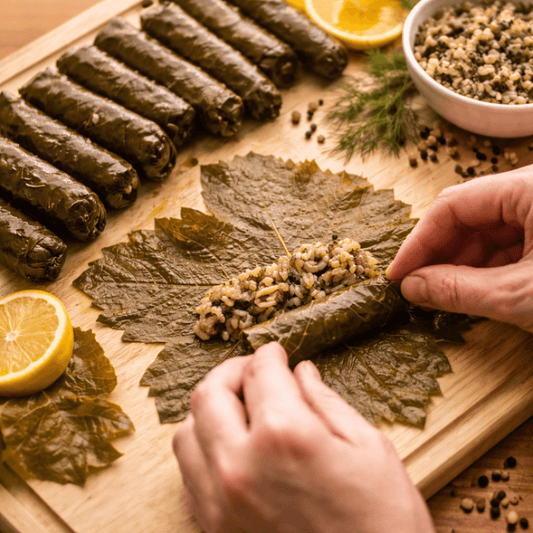
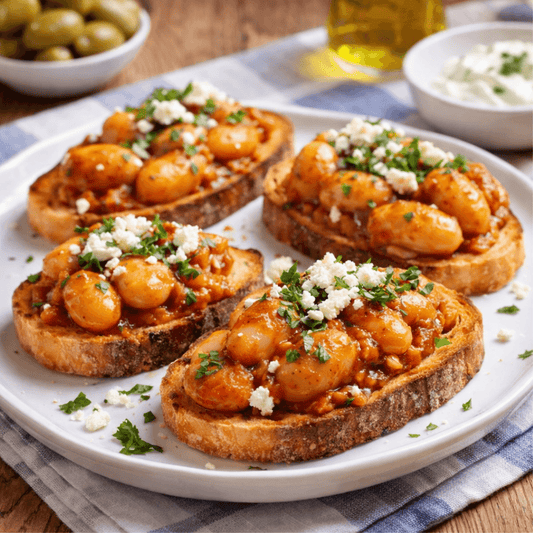
The Greek table follows a natural sequence. Olives and tapenade arrive before guests sit down. Pita and dips come next, passed around informally. Then feta, halloumi, dolmadakia, and gigantes — the meze that make the evening stretch. A warm main dish is optional. Loukoumi and Greek coffee close it.
Every product in this collection fits that sequence. You can build a complete dinner without going anywhere else.
What you need for 4, 6, or 8 people
4 people
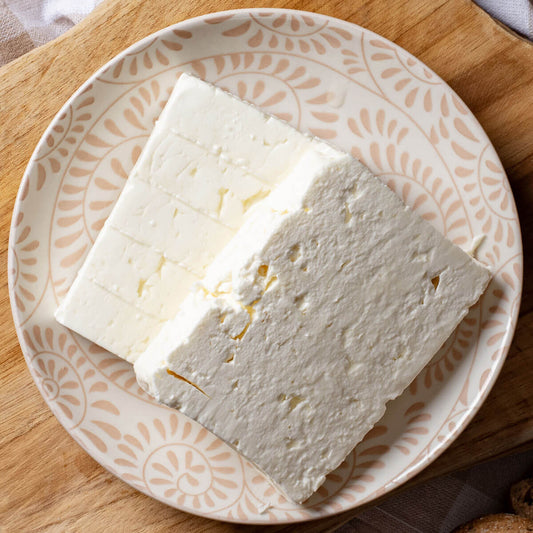
150g feta, 1 pack of halloumi (200g), 1 pack of dolmadakia (280g), 2 dips, 1 pack of pita. Add tapenade, olives, and dakos rusks as table staples.
6 people
300g feta, 2 packs of halloumi, 2 packs of dolmadakia, 2 to 3 dips, 1 to 2 packs of pita. Add gigantes as a second warm meze.
8 people
500g feta, 3 packs of halloumi, 3 packs of dolmadakia, 3 dips, 2 packs of pita. Consider adding moussaka as a main course. If you do, reduce the meze quantities by about 20%.
Three ways to set up your Greek dinner
No-cook meze table
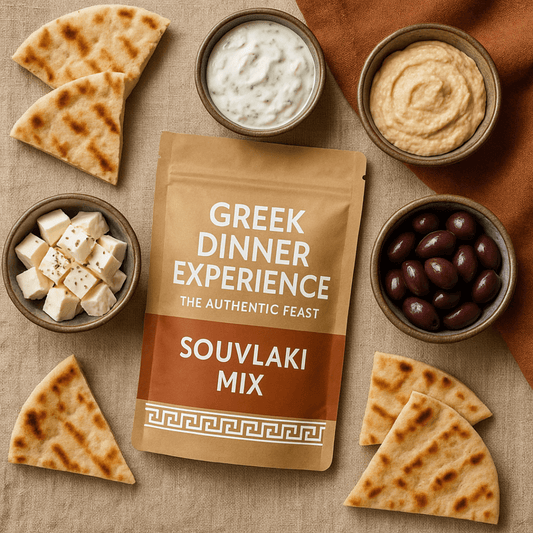
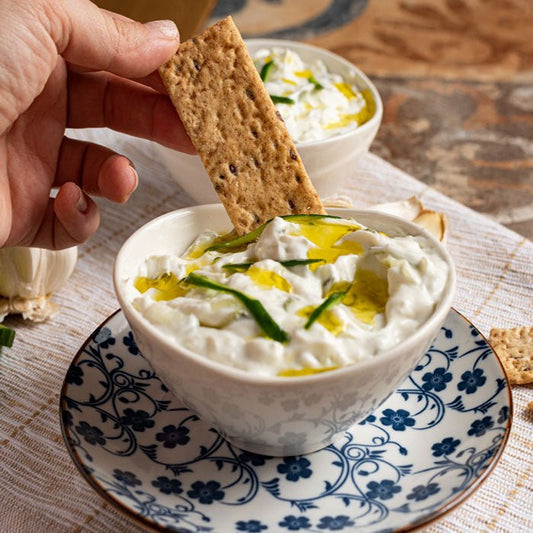
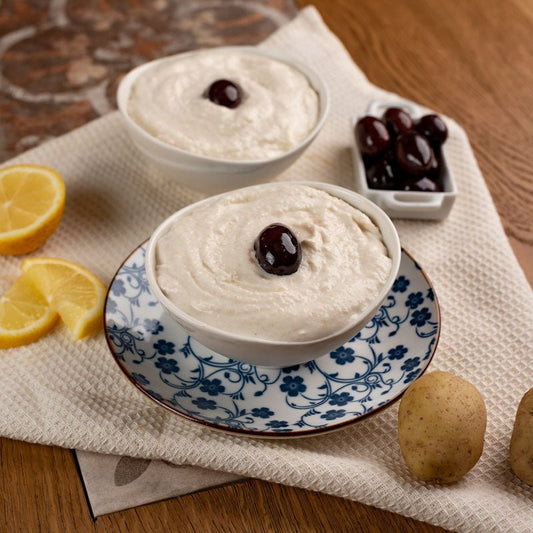
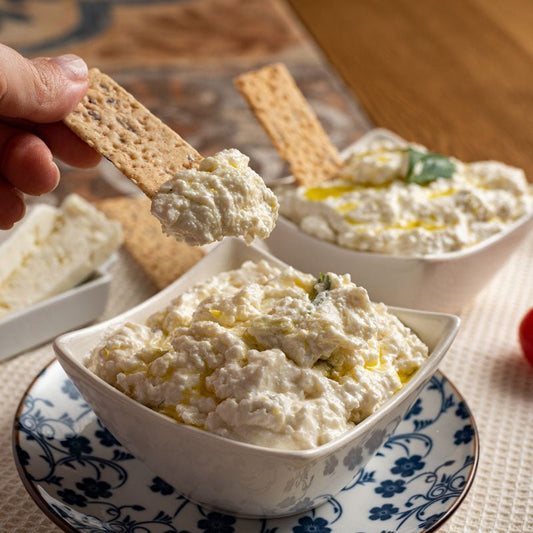
Best for an informal evening or aperitivo. Serve tapenade, olives, feta, tzatziki, taramosalata, dakos rusks, and pita. Everything goes directly from the pack to the table. No cooking required.
Full meze dinner
Best for a dinner with friends. Start with the no-cook spread, then add grilled halloumi (three minutes in a pan), dolmadakia, and gigantes. This format works as a complete evening without a main course.
Dinner with a main course
Best for a more structured evening. Open with the meze spread, serve moussaka as the warm main, and close with loukoumi, honey, and Greek coffee. Reduce the meze quantities by about 20% if you include a main.
A simple timeline for your Greek dinner
The day before: check all products, chill drinks, and confirm quantities.
One hour before guests arrive: take the feta out of the fridge, arrange olives and tapenade in small bowls, slice the halloumi ready for the pan.
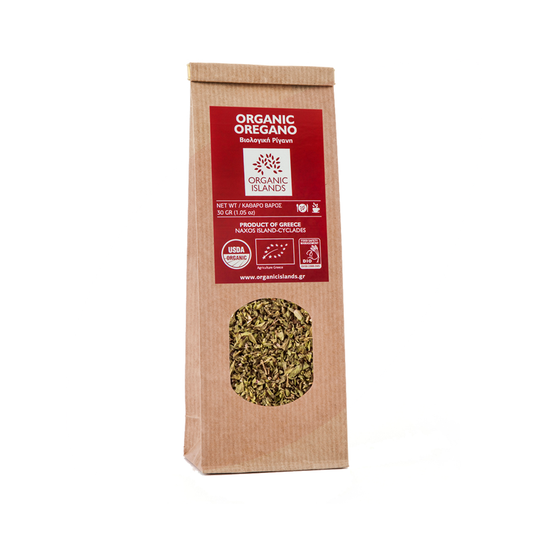
Fifteen minutes before: warm the pita, grill the halloumi, plate the dolmadakia and gigantes, drizzle olive oil and oregano over the feta. Bring everything to the table at once.
Frequently asked questions about hosting a Greek dinner at home
What do you serve at a Greek dinner party?
The core of a Greek dinner is the meze table: olives, feta, halloumi, dolmadakia, gigantes, and dips served with pita and dakos rusks. Add moussaka if you want a warm main course, and close with loukoumi, honey, and Greek coffee.
Can I host a Greek dinner without cooking?
Yes. Most products in this collection are ready to serve directly from the pack. Halloumi is the only item that requires active preparation — three minutes in a hot pan. Tapenade, olives, feta, dips, dolmadakia, dakos rusks, gigantes, and loukoumi all go straight to the table.
How much food do I need for 6 people?
For 6 guests without a main course: 300g feta, two packs of halloumi, two packs of dolmadakia, two to three dips, and one to two packs of pita. Add dakos rusks and oregano as table condiments. If you add moussaka, reduce the meze by about 20%.
What is the difference between a Greek meze night and a Greek dinner party?
A meze night makes the small dishes the entire meal — many plates, no fixed order, people help themselves throughout the evening. A dinner party typically adds one warm main course after the meze. Both formats work from the same products. The difference is in how you structure the evening, not in what you buy.
How much pita do I need per person?
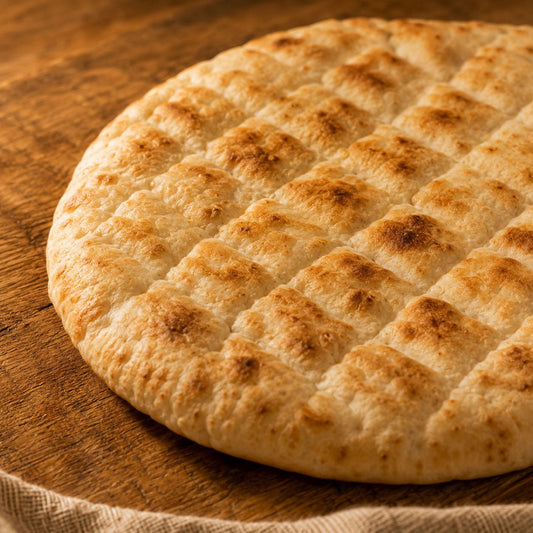
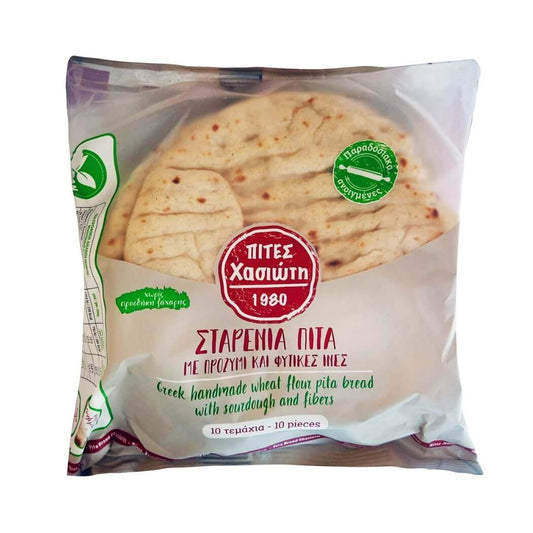
Allow two to three pita rounds per person as a starting point. Pita accompanies everything at a Greek table: dips, cheese, and grilled halloumi. For 6 people, one pack of 10 rounds (16 cm) is a minimum. Two packs give you comfort for a long evening.
Where can I read more about hosting a Greek dinner at home?
The full guide — with menu ideas, quantities for any group size, and a step-by-step timeline — is on the Greek Flavours blog: How to Host a Greek Dinner at Home. All products mentioned are available in this collection.


