
















You might also love
-

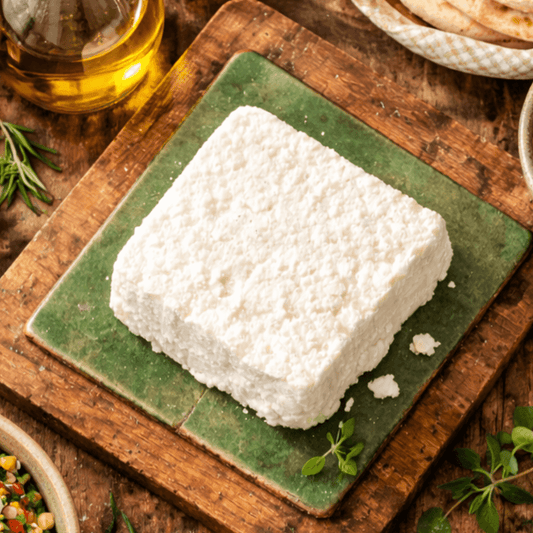
Feta cheese PDO
Feta Cheese: The Authentic Taste of Greece Straight to Your Table If...
-

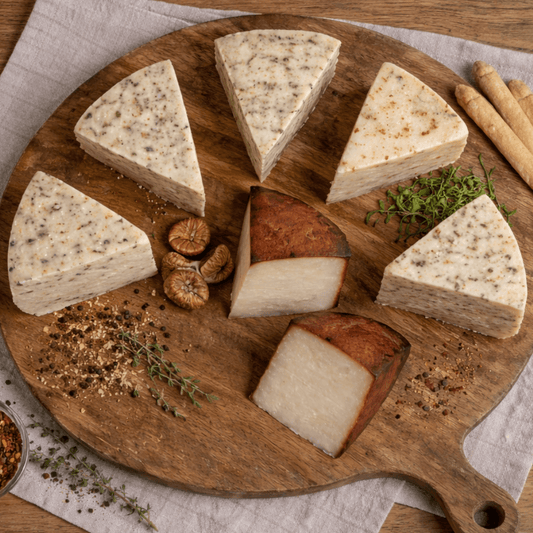
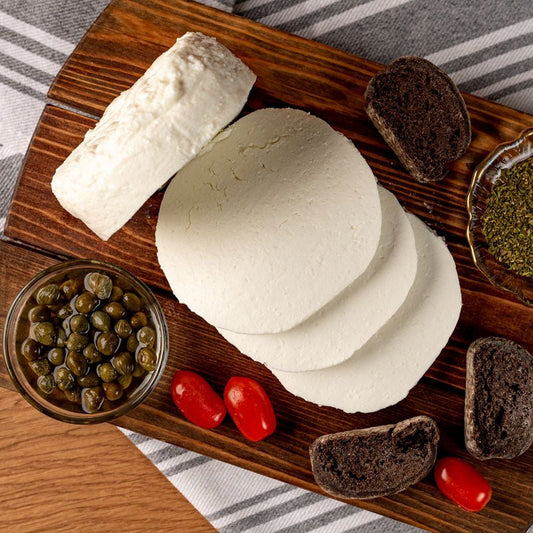
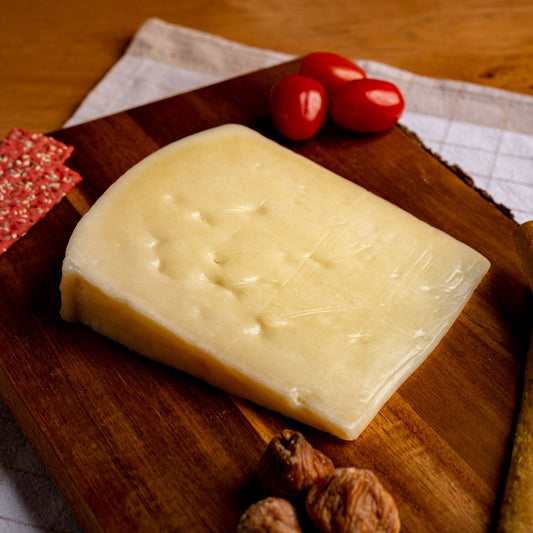
Greek Cheese
Discover Authentic Greek Cheeses Welcome to our curated collection of authentic Greek...
-

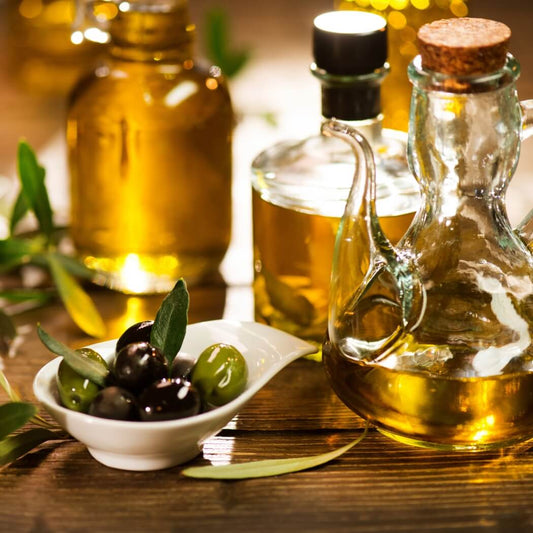
Greek Olives and EVOO
THE MANY HEALTH BENEFITS OF GREEK OLIVES AND OLIVE OIL Greek olives...
-

Greek Honey
Greek Honey: Pure Mediterranean Excellence Greek honey is one of the most...
-

Greek Coffee & Tea
Greek coffee, the flavor and ritual of tradition Greek coffee is one...
-

Dips & Spreads
SPREADS - The best part of the traditional Greek cuisine, as it is...
-

Greek Yogurt
Greek Yogurt: Authentic Taste, Thick Texture & High-Protein Goodness Looking for real...


Everything you need to bring a real Greek summer to your table. This collection gathers the essential products of the Greek summer table: olives from Kalamata and Halkidiki, pita to tear and share, mezes and spreads to set out without fuss, feta and halloumi for the grill or the board, and pantry staples from across Greece, selected for their authenticity and the way they work together.
How to use this collection
Greek summer eating is not complicated. It is generous, unhurried, and built around the table. You do not need a full recipe or a long preparation time. A bowl of olives, warm pita, two or three spreads, a piece of feta: that is already a table worth sitting at for two hours.
This collection covers every part of the Greek summer table, from the first things you set out when guests arrive to the condiments and pantry items that make the meal feel complete. Browse by what you need, add what feels right, and let the table do the rest.
What to put on the table for 4, 6, or 8 people
4 people
1 pack of olives, 2 dips or spreads (tzatziki, fava, or melitzanosalata), 1 pack of pita, 200g feta, or a small board with halloumi. Add a bottle of Greek olive oil and a few pantry extras to round it out.
6 people
2 packs of olives, 3 to 4 dips or spreads, 2 packs of pita, 300g feta or 1 to 2 packs of halloumi. Consider adding dolmadakia or a second cheese for variety on the board.
8 people or more
2 to 3 packs of olives, 4 to 5 dips and spreads, 3 packs of pita, feta, plus halloumi, plus one additional cheese. A jar of honey, a good vinegar, and a pantry extra or two make the table feel complete without extra cooking.
Three ways to set up your Greek summer table
The outdoor table
Olives, pita, three or four mezes set out all at once. No plating, no order of service. Everything arrives together, and people help themselves. This is the format that works for a terrace, a garden, or any outdoor setting where the meal is the occasion.
The picnic format
Pita and olives travel well. Sealed jars of spreads, a piece of feta in brine, and a few pantry items in a basket. Greek summer eating is one of the few cuisines that holds up without a kitchen nearby, because most of the work was done before the products left Greece.
The simple weeknight table
Not every Greek summer meal is a dinner party. A piece of halloumi in a pan, warm pita, a bowl of olives, and a spread from the fridge is a complete meal for two in under fifteen minutes. The collection works just as well for a Tuesday evening as it does for a Saturday with friends.
A few things to know before you shop
Pita first. Warm pita changes the table. Three minutes in a dry pan or thirty seconds under the grill is enough. Everything else on the table becomes better when the pita is warm.
Set the olives out early. Olives at room temperature taste different from olives straight from the fridge. Give them ten minutes in a bowl with a little olive oil, and they open up completely.
Feta and halloumi serve different roles. Feta is for the board, the salad, and crumbling over everything. Halloumi is for the grill or the pan. Both belong on a Greek summer table. They are not interchangeable, and you do not have to choose.
Spreads work as the anchor. A meze table without spreads is just snacks. Tzatziki, fava, taramosalata, or melitzanosalata give the table structure and give the pita a reason to be there. Start with two and add from there.
Frequently asked questions about the Greek summer table
What is the difference between Kalamata and Halkidiki olives?
Kalamata olives are dark, almond-shaped, and cured in brine or red wine vinegar. They have a rich, slightly acidic flavour and a firm texture. Halkidiki olives are large, green, and milder in taste, often sold stuffed or marinated. Both belong on a Greek table. Kalamata is the classic choice for a board or a salad; Halkidiki works well as a standalone snack or alongside cheese.
Can I prepare everything in advance?
Yes. Most of what is on this table requires no preparation at all. Spreads come ready to serve. Olives go straight from the jar to the bowl. Feta needs no preparation beyond slicing. The only thing that benefits from a few minutes of attention is the pita, which is best warm and takes three minutes in a pan. Everything else can be set out an hour before guests arrive.
What do you serve pita with?
Pita works with everything on this table. It is the carrier for spreads, the scoop for olives, and the complement to cheese. In Greece, it is rarely served alone. The question is not what to serve it with but what to put out alongside it. Two dips and a bowl of olives are enough to make pita the centre of the table.
How much should I order for a week?
For a household of two eating Greek-style three or four times a week: one pack of olives, one jar of spread, one pack of pita, and a piece of feta is a reasonable starting point. Most products in this collection keep well once opened. Feta stored in its brine lasts two to three weeks in the fridge. Olives in a sealed jar keep for several weeks after opening if refrigerated.
Is this collection suitable for people who follow the Mediterranean diet?
Yes. The Greek summer table is, by its nature, aligned with Mediterranean diet principles: olive oil, legumes, vegetables, fish-based spreads, whole grain pita, and minimal processed food. The collection includes a range of products that fit a Mediterranean eating pattern without requiring specific diet planning.
Where can I find ideas for a full Greek dinner at home?
For a complete guide to setting up a Greek dinner, including which products to choose, how to sequence the table, and what quantities to plan for different group sizes, read our article How to host a traditional Greek dinner at home.


