 Skip to content

Mastic gum - or mastiha in Greek - is a Greek product, 100% natural, offered by the mastic tree, a shrub that grows in the southern part of Chios. It is a type of resin that is extracted from the incisions made in the trunk of the lentiscus or mastic tree. Mastic was and is the emblem of Chios and much of the island's development is due to it. Since 1997, it has been designated as a Protected Designation of Origin (PDO) product.
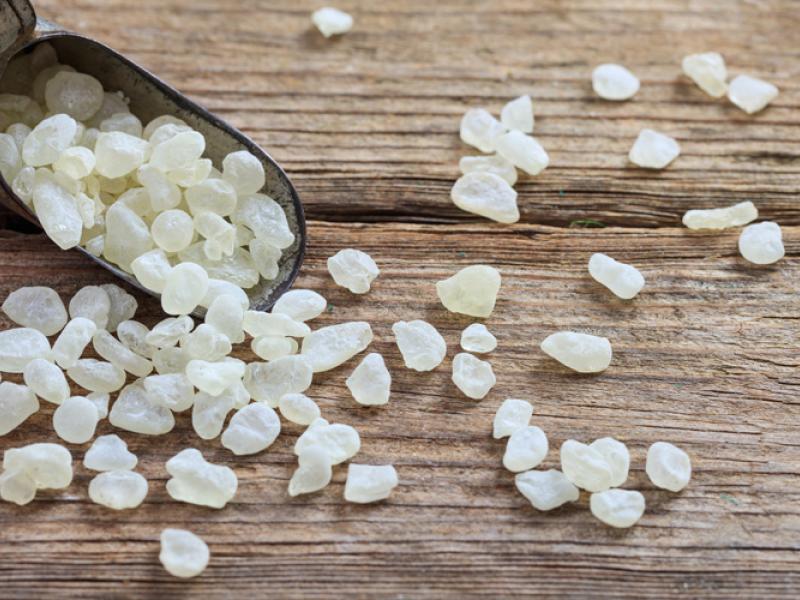
Chios mastiha has been famous since antiquity for its unique aroma. The earliest references to mastic are made by Herodotus, who claims that the Greeks chewed the dried resinous liquid that dripped from the bark of the mastic tree. Mastic is considered the world's first natural chewing gum. The mastic gum extract was also used in cosmetology for face and body care.
Why is it only found on the island of Chios?

Mastic tree (Pistacia Lentiscus) is an evergreen shrub 2-3 meters tall, which grows slowly and reaches full growth after 40-50 years. It thrives in other countries, especially in the Mediterranean basin.
However, it is only in Chios in the southern part of the island and more precisely in Mastihohoria (mastic villages) that a special variety of mastic tree (Pistacia lentiscus var. Chia) is cultivated. At first, the putty appears as a tear with a thick and sticky texture, but after 15-20 days it solidifies into irregular crystal shapes.
The reason why it only thrives in the southern part of the island is mainly due to the temperate climate and mainly the microclimate of the region, but also underwater volcanoes and limestone soil. In the past, there have been many attempts to cultivate mastic in other parts of Greece and even in other countries, but without success.
Mastic is collected in a traditional and very laborious way: workers level the area around the tree and tear off its trunk in specific places. The putty begins to flow and in about 15 days it stabilizes and is ready for collection.
The collection process begins in mid-August and ends in mid-September. The product is then sieved, washed and carefully cleaned, piece by piece and then marketed. The exploitation of the mastic tree remains the main source of income for the inhabitants of the region.
In addition, in 2014 in Paris, the nomination of “Mastic de Chios” as a cultural property on the Representative List of the Intangible Cultural Heritage of UNESCO was approved. The history, heritage, customs of mastic and its traditional culture are now part of the intangible cultural heritage of UNESCO.
The taste and aroma of Chios mastic

A tear of mastic tastes slightly bitter at first, then softens as you chew it and releases a fresh, resinous aroma with notes of pine and cedar. It is this aroma, together with its rarity, that made Chios mastic sought after for centuries: the Genoese traded it across the Mediterranean, and under Ottoman rule the mastic villages enjoyed special privileges for supplying it to the sultan's court.
In the kitchen a little goes a long way. The tears are ground in a mortar with a pinch of sugar, so that they do not stick, and then added to doughs, creams, ice cream and syrups.
Where is mastic gum used?

Mastic gum has had many uses since ancient times. The Egyptians used it to embalm the dead, while the Romans and Turks made toothpicks from mastic wood. Today, putty is used:
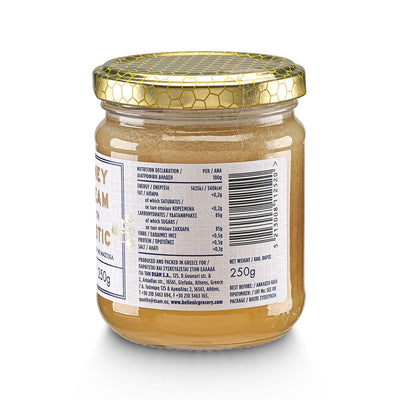
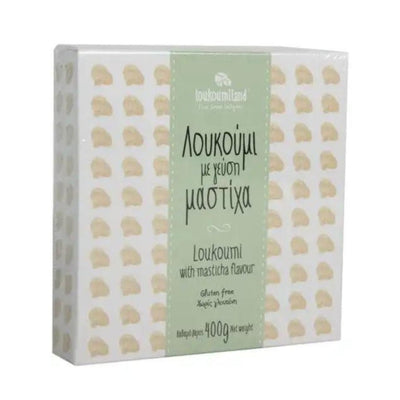
- in confectionery for the preparation of a large number of sweets, confectionery and aromatic pastries, while in cooking, it gives a distinctive aroma to meat, cheese or as a spice. The most well-known Greek mastic sweets are tsoureki (Greek brioche), Greek loukoumi delight with mastic taste, and mastihopita (a type of pie).
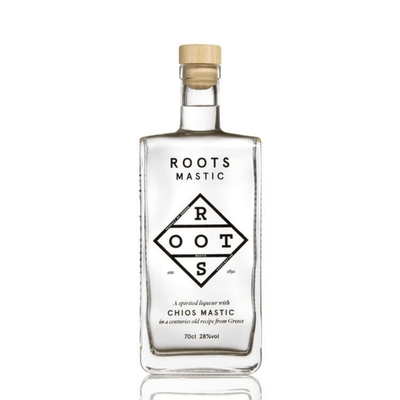
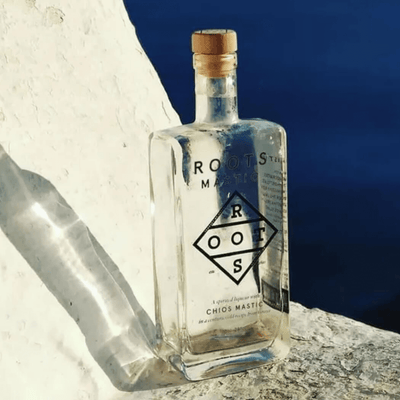
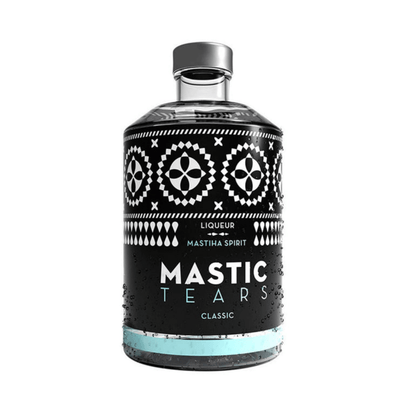
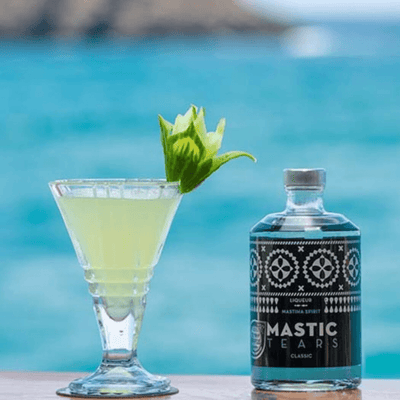
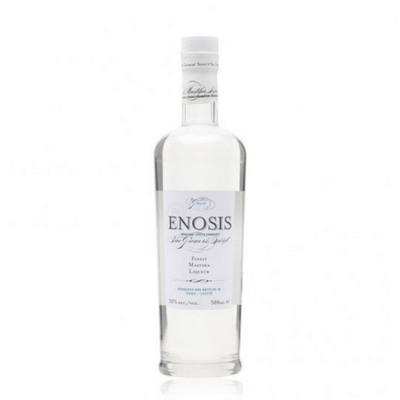
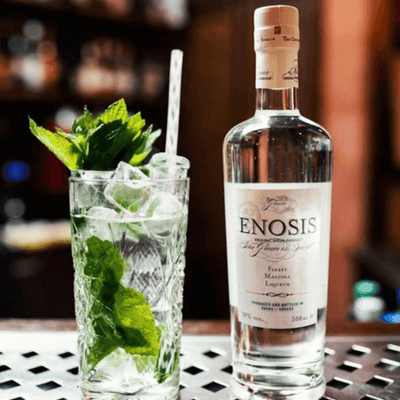
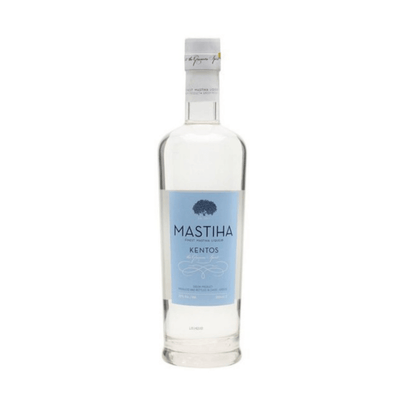
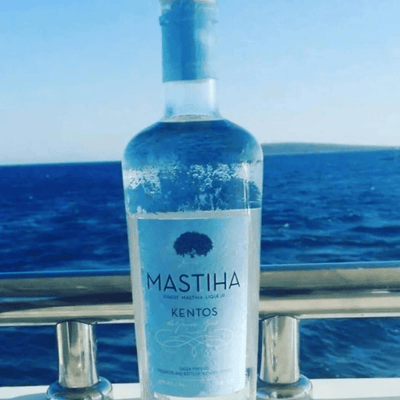
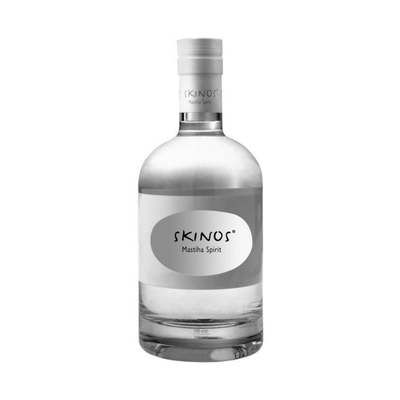
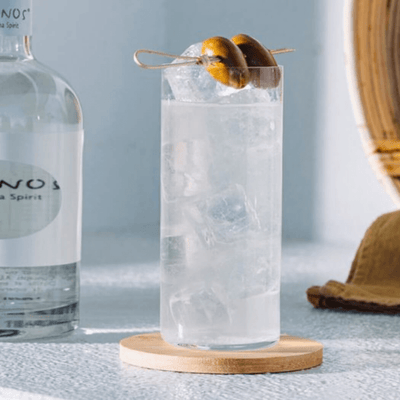
- in the distillery it is used in the preparation of liqueurs and ouzo, because with the addition of mastic the drink acquires its aroma. Local tradition dictates that the mastic liqueur is served with dessert, after each meal or with coffee. Find our full selection of mastiha spirits and Greek mastic coffee.
- In modern cosmetology, mastic oil is used as an essential oil for the preparation of perfumes and facial creams. Mastic oil is also used to make toothpastes and soaps.
- in cabinetmaking, mastic is used to make furniture and musical instruments.
Where to buy mastic gum?
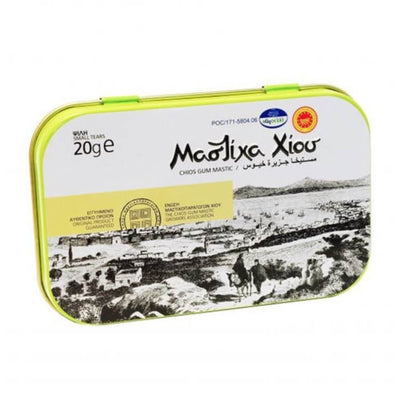
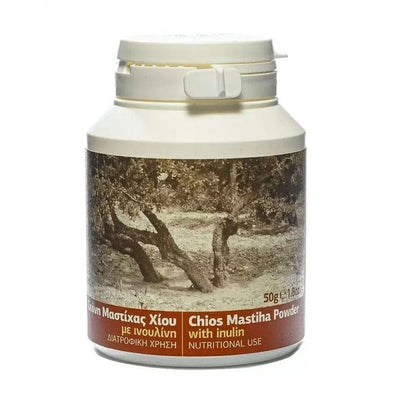
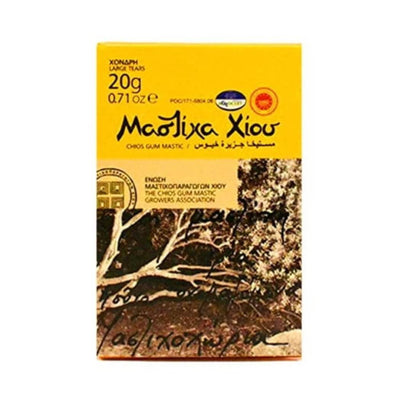
Of course in our online store! On Greek Flavours you can find 100% pure mastic in the following forms:
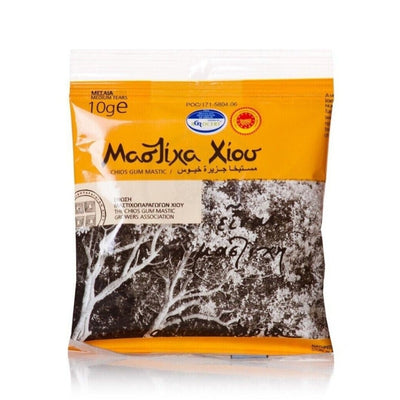
- in small tears
- in medium tears
- in big tears
- in powder
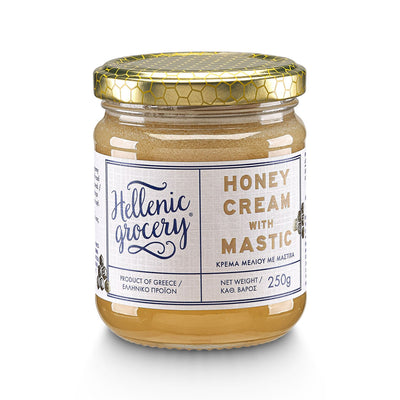
Discover the entire collection and choose from a wide variety of your favorite mastic gum products.



2 comments
Merci beaucoup pour cette description
Can I buy mastic in France ? Is there à price list ?