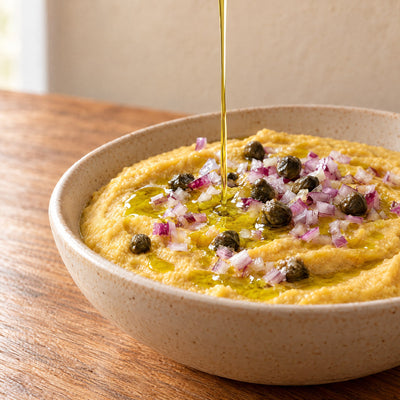
Greek extra virgin oil is more than just a staple of the Mediterranean diet — it’s a symbol of tradition and quality, defined by its distinctive taste and the character of its terroir. It’s no surprise that demand for this liquid gold continues to rise. However, as its popularity grows, so does the presence of imitations and lower-quality alternatives. In this article, we’ll guide you through the key characteristics of authentic Greek extra virgin oil and share practical tips to help you choose well.

Greek Extra Virgin Oil: A Taste of Tradition
Greece has been producing olive oil for centuries, thanks to its climate, ancient olive groves, and time-honored production methods. The result is an oil with a rich, fruity flavor that embodies the essence of the Mediterranean.
Among the Greek olive varieties is Koroneiki, the olive behind Koroneiki oil. Grown primarily in the Peloponnese and Crete, these small but oil-rich olives produce an intensely aromatic, full-bodied oil with a subtle peppery finish, a sensory trait of many fresh extra virgin olive oils.
How to Recognize Authentic Greek Extra Virgin Oil
Not all olive oils are created equal. To ensure you’re purchasing authentic Greek extra virgin oil, look for the following key indicators:
1. Origin and Certifications
A good Greek olive oil label gives clear information on its origin:
✅ Greek Origin: The label must explicitly state that the oil is from Greece.
✅ PDO or PGI Certifications: They certify that the oil comes from a defined area and is made to its specification, checked by an inspection body.
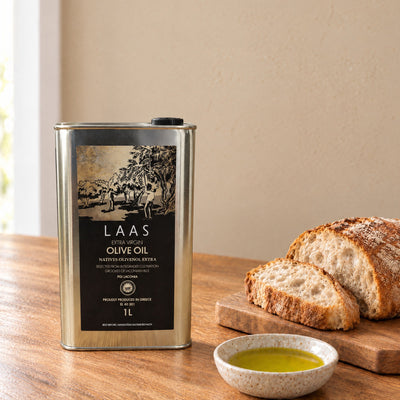
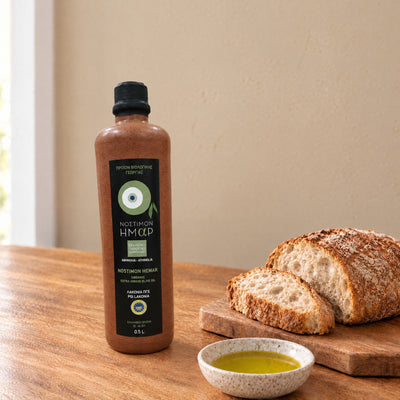
✅ Olive Variety: each variety gives a different oil, and a blend is as authentic as a single-variety oil. Thalea is 100% Koroneiki; Laas and Nostimon Hemar from Laconia combine Athinolia and Koroneiki.
2. Production Methods
Authentic Greek EVOO is extracted from the olives by mechanical means only, with no refining or chemical treatment. Some labels add “cold extraction” or “first cold pressing”. Under EU rules, both mean the oil was obtained below 27 °C: “cold extraction” by percolation or centrifugation of the olive paste, “first cold pressing” from a first mechanical pressing in a traditional hydraulic-press system. Avoid refined or chemically processed oils, as they lack the true essence of Greek olive oil.
3. Color, Aroma, and Taste
High-quality Greek extra virgin oil has unmistakable sensory characteristics:
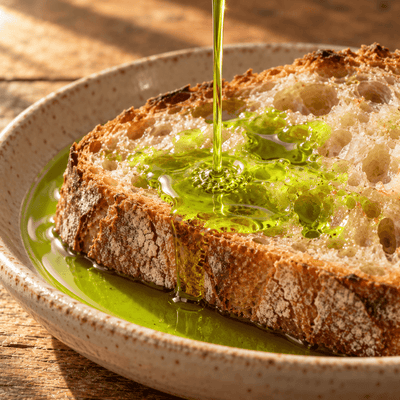
🟢 Color: Ranges from deep green to golden yellow, depending on harvest time.
👃 Aroma: Fresh notes of grass, herbs, and almonds.
👅 Taste: A balance of fruitiness, slight bitterness, and a pleasant peppery finish.
4. Packaging Matters
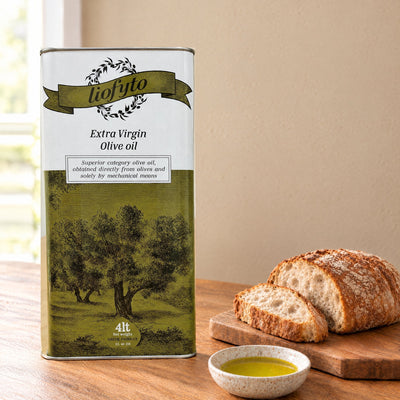
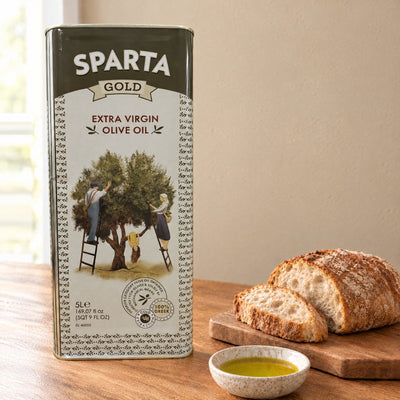
Look for extra virgin oil in dark glass bottles or tins, which keep out light and slow down oxidation. At home, store it away from light and heat to keep it fresh.

What Gives Koroneiki Oil Its Character
Koroneiki oil is known for:
✔ A Distinct Character: shaped by variety, harvest timing, and cold extraction: the elements that define a great extra virgin olive oil.
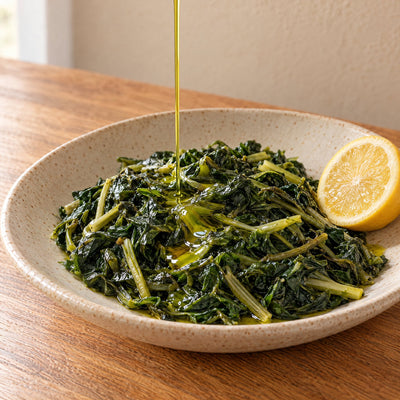
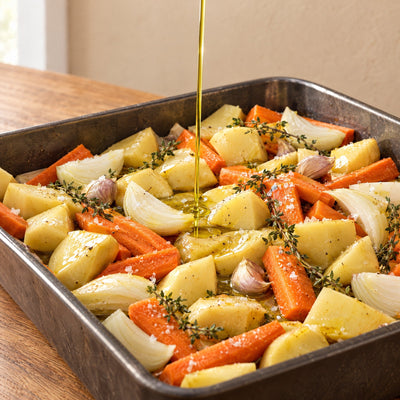
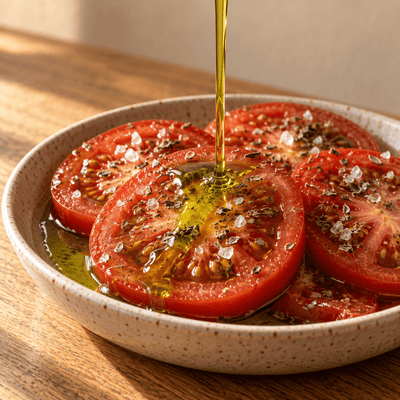
✔ In the Kitchen: a fruity, peppery oil for raw use on salads, pulses and grilled vegetables, and for everyday cooking.
Conclusion: Bring Greek Extra Virgin Olive Oil to Your Table
Choosing a high-quality Greek extra virgin olive oil is the key to enjoying its full flavor and culinary versatility, from raw drizzling to cooking. With these tips, you can confidently select an authentic product that enhances your meals.
Experience the rich, peppery flavor and aromatic character of Koroneiki oil, and bring a true taste of Greece into your everyday cooking.