Skip to content

Feta cheese is one of Greece’s most iconic foods, valued for its authentic taste and long tradition. Whether enjoyed raw, grilled, pan-fried, or oven-baked, feta adapts perfectly to different methods while keeping its unmistakable Mediterranean character.

The Texture of Feta Cheese
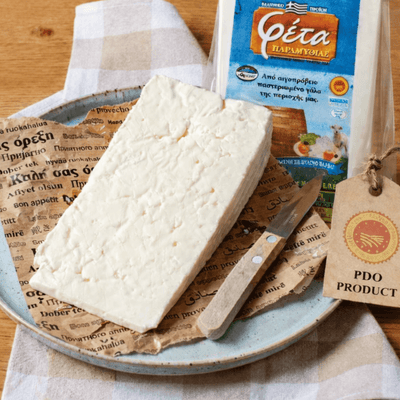
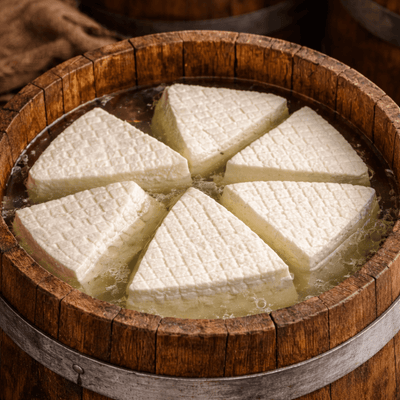
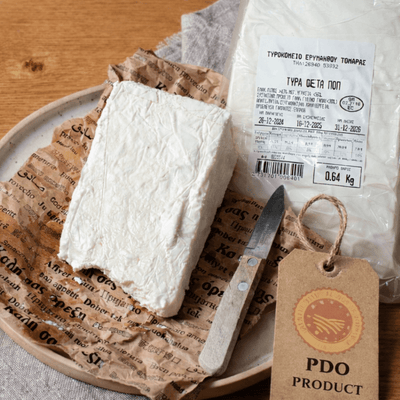
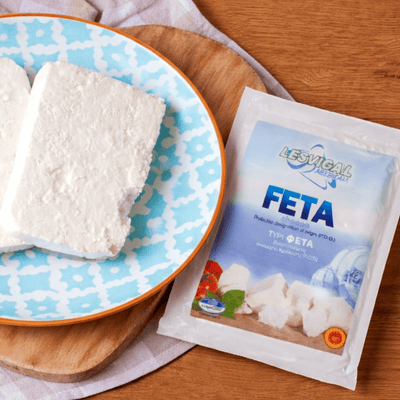
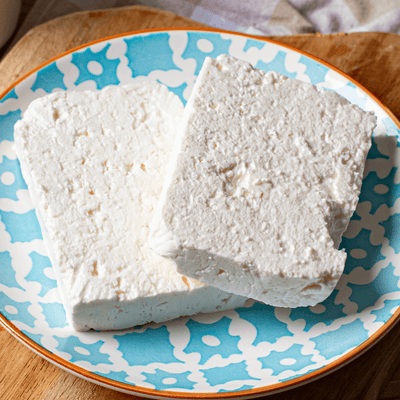
Feta is known for its crumbly yet creamy texture. Eaten raw, it offers freshness and a tangy note; cooked, it develops a richer, more concentrated flavour. Firmer blocks of PDO feta from regions such as Epirus or Thessaly are best for grilling or baking, as they hold their structure under heat. The feta from Lesvos is often slightly creamier and with a delicate acidity, ideal for salads and spreads preparation. Other regions, like Macedonia or Central Greece, produce variations with subtle differences in saltiness, creaminess, and aroma, so every feta lover can find a texture that suits their taste and cooking style.
Using Feta in the Pan
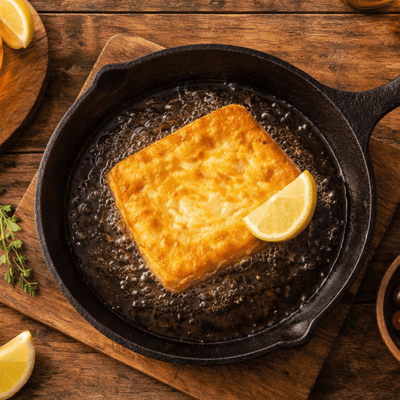
Pan-cooking is quick and satisfying. A firm block seared with a drizzle of olive oil turns golden and crisp outside while staying soft inside, perfect as a meze with fresh vegetables or warm pita. For a sweet-savoury twist, try the classic Fried Feta with Honey Recipe: the light frying enhances the creamy centre, while a honey drizzle adds natural sweetness. Simple, comforting, unmistakably Greek.
Using Feta on the Grill
Grilling intensifies feta’s savoury notes and adds a gentle smokiness. Choose a sturdy PDO block, brush with olive oil, and grill until warm and lightly charred. Finish with a squeeze of lemon and serve alongside grilled vegetables for a simple, truly Mediterranean plate.
Tip: If you decide to grill the feta, place a 1-2 cm thick slice inside a sheet of foil and add your desired seasonings. This will ensure better absorption and prevent the feta from melting and leaking off the grill.
Traditional Oven-Baking Methods
The oven is one of the simplest, most traditional ways to cook feta. The classic preparation, feta in parchment or foil, pairs the cheese with cherry tomatoes, green pepper slices, and a drizzle of extra virgin olive oil (EVOO).
As it bakes, the feta absorbs the tomatoes’ sweetness and the peppers’ freshness, creating a simple, fragrant dish. It’s a perfect fit for the Mediterranean diet. This simple yet extremely tasty dish is often the star of Greek taverns on any island.
Taste Differences: Raw vs Cooked Feta
Raw feta keeps its fresh, tangy flavour and crumbly texture, while cooking brings out a richer, more concentrated flavour and a softer texture. Alternate between raw and cooked to enjoy the different tastes and textures feta has to offer.

Using Leftover Feta Without Waste
It is important not to waste a single piece of such wonderful cheese. Leftover feta can be transformed into delicious new dishes: crumble it into a spanakopita or other oven-baked pies, where its salty tang pairs perfectly with spinach and herbs.
In the pan, toss small pieces into scrambled eggs, sautéed vegetables, or even a quick pasta sauce for extra creaminess. Every bite of feta deserves to be enjoyed, ensuring zero waste and maximum flavour.
Keep Exploring
- Complete Guide to Greek Feta — Your central hub for origins, PDO regions, textures, and pairing ideas.
- Fried Feta with Honey Recipe — A pan method that balances salty and sweet, step by step.
- Greek Feta Collection — Discover all the versions and their origins