The first ten minutes after a box from Greece is opened decide how most of it will taste two weeks later. Three things go into the fridge immediately: yogurt, kefir, and any fresh cheese. Feta stays in its liquid, whatever the container. Pita that will not be eaten in the next day or two goes into the freezer that same day, not once it has started to dry. Everything else can wait, because the dry shelf is patient and the fresh half is not.
This guide is the arrival checklist that usually goes unwritten: what to do first, how each category is actually stored, and which of the things that look wrong on opening are simply what real food does. It is the practical companion to the return shelf.
The first ten minutes
Unpack in order of fragility rather than in the order things come out of the box.
The cold chain items come first: yogurt, kefir, fresh cheese, and fresh dips travel in temperature-controlled packaging, and they belong in the fridge before anything else is even looked at. They are perfectly fine after transit, but the packaging is designed to hold a temperature for a journey, not to replace a fridge for an afternoon.
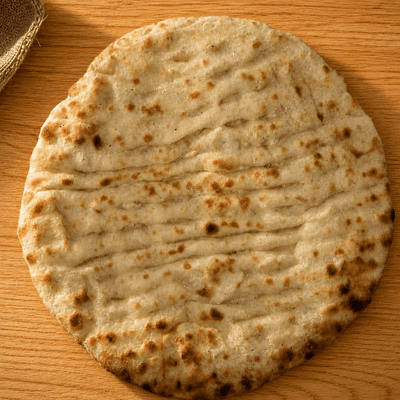
The bread comes second, and it is the decision people postpone. Pita travels by air rather than in the cold chain, so it arrives soft and fresh, but how long it stays that way depends on who made it. Decide on the day of arrival how much the next two days will absorb, and freeze the rest straight away, while it is at its best. Pita frozen on arrival and warmed later is much closer to fresh than pita frozen on day four.
Everything dry comes last, and none of it is urgent: oil, honey, legumes, preserved vegetables, and tinned or jarred goods will be the same tomorrow.
How each category is actually stored
| Product | Where | The rule that matters |
|---|---|---|
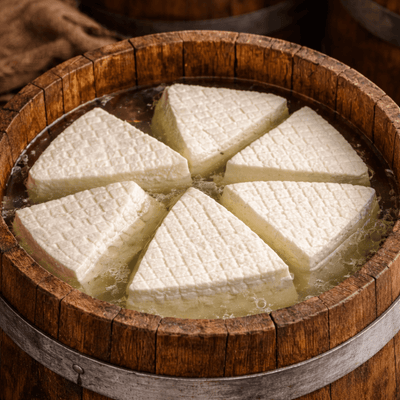
| Feta in brine | Fridge | Always submerged, in a sealed container |
| Feta, vacuum portion | Fridge | Once opened, cover with light brine or it dries |
| Aged cheese | Fridge, vegetable drawer | Wrapped in paper, not sealed in plastic |
| Yogurt and kefir | Fridge, immediately | Coldest shelf, never the door |
| Pita, Chasiotis and Stamatis | Freezer, from the day it arrives | At its best within a day or two, freeze the rest |
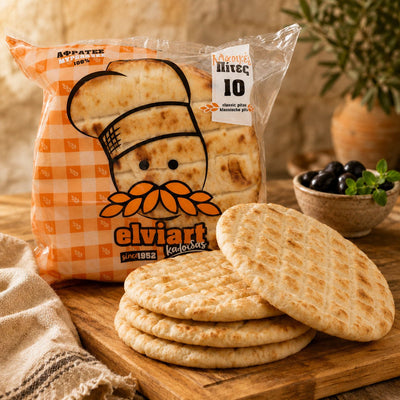
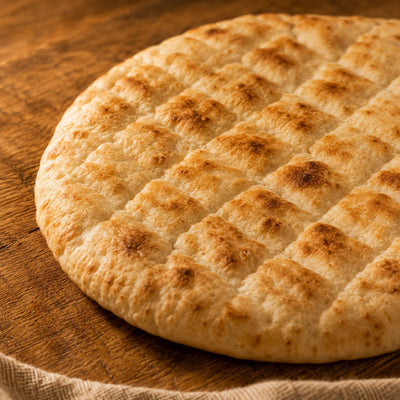
| Pita, Elviart | Bread bin, room temperature | Keeps through the week, sealed in its own pack |
| Olive oil | Cupboard | Dark, closed, away from the hob. Decant a tin into dark glass |
| Olives | Fridge once opened | In their own liquid, like feta |
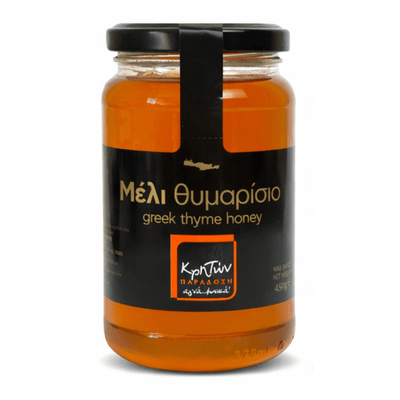
| Honey | Cupboard | Never the fridge, dry spoon only |
| Dried legumes | Cupboard | Sealed and dry, they keep for a year or more |
Feta and the liquid it came in
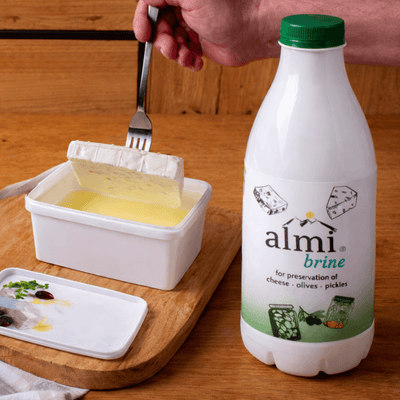
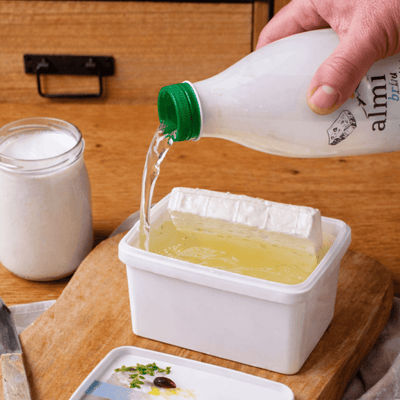
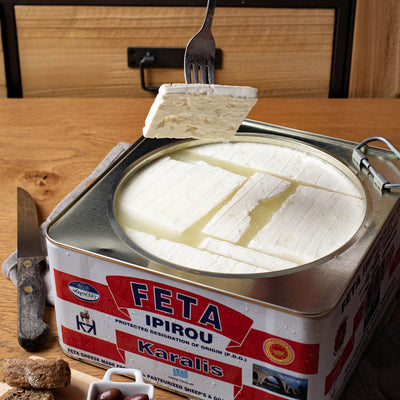
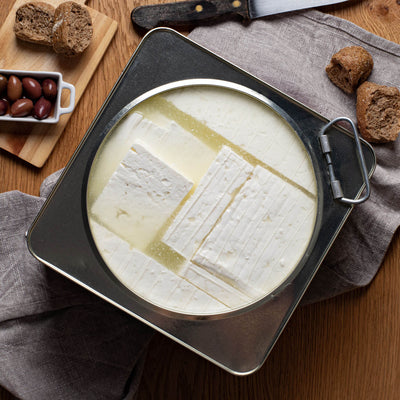
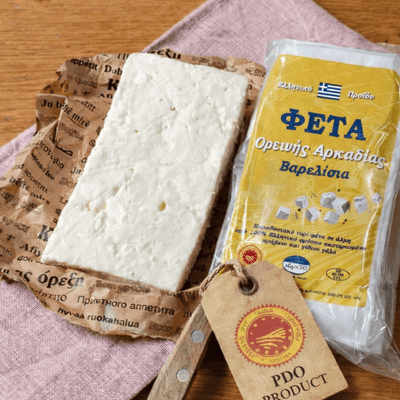
The single most useful habit with feta is also the least intuitive: keep it wet. Brine is not packaging to be drained away; it is the storage medium, and a block left dry in a box loses its texture within days.
If a piece is bought in brine, transfer it with its liquid into a sealed container and top up so the cheese stays covered. If it comes vacuum-packed and is not finished in one go, make a light brine at home with roughly a teaspoon of salt per 100ml of water. Fresh water alone leaches the salt out of the cheese and turns it soft and flat. For a household that keeps feta permanently, the simplest solution is a ready-made Greek brine, which is what cheese counters in Greece use and which also serves for olives.
The detailed guide to keeping feta fresh covers the longer game, including what to do with a large block you will open over several weeks. The feta and cheese selection lists which formats arrive in brine and which arrive vacuum-sealed.
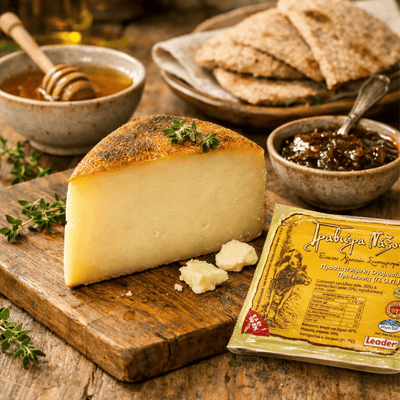
Aged cheese wants to breathe.
Graviera, kefalotyri, and the other hard cheeses behave in the opposite way to feta. Sealed tightly in plastic, they sweat and turn slippery on the surface. Wrapped in baking or waxed paper, then loosely in a bag, they keep for weeks in the vegetable drawer, which is the least cold and least dry part of most fridges. Guidance for longer storage is in the article on storing hard cheeses.
Pita, and which rule applies to yours
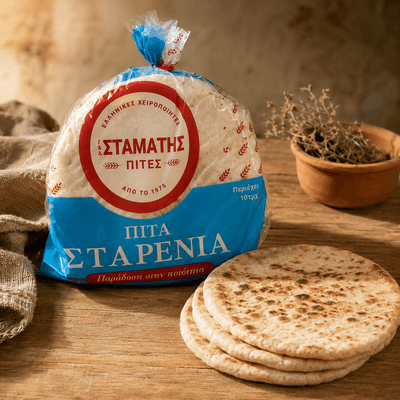
Not all pita behaves the same way once it is home, and the difference is the producer rather than the format. The hand-stretched rounds from Chasiotis and Stamatis are at their best in the first day or two: whatever will not be eaten in that window goes into the freezer on the day it arrives, not later. Elviart pita holds up at room temperature and can sit in the bread bin through the week, sealed in its own pack.
To use frozen pita, take out what you need and warm it straight from frozen in a dry pan or a hot oven for a minute or two. Do not defrost it on the counter for hours: it goes leathery. Rounds separated by a sheet of paper before freezing come apart cleanly, which matters when you want two and not ten. The pita range lists the producer and the pack size of each option.
Olive oil, out of the tin
Tins protect oil better than any bottle while they are sealed, because they let in no light at all. Once opened, though, every pour lets air into the whole volume, and a large tin in daily use spends months slowly oxidising. Decant into dark glass bottles, fill them to the neck, and keep the tin closed in the coolest cupboard you have. It is the single habit that separates an oil that tastes in March the way it tasted in October from one that does not.
What looks like a problem and is not
Real food behaves in ways that industrial food is engineered to avoid. Four of these come up often enough to be worth naming.
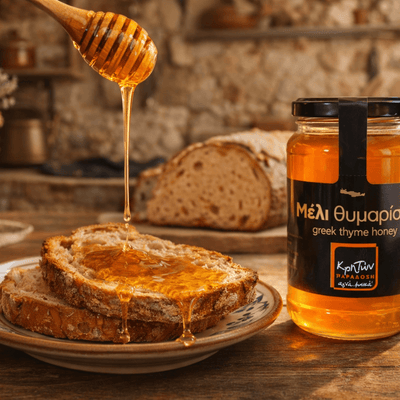
Honey that has turned solid or grainy. Crystallisation is what raw, unpasteurised honey does, and thyme honey does it readily. It is a sign the honey has not been heat-treated into permanent liquidity, not a sign it has spoiled. A jar stood in warm water returns it to liquid without damaging it. It is also why honey never goes in the fridge, where it crystallises faster.
Brine that has gone slightly cloudy. Feta continues to release milk solids into its liquid, and a faint cloudiness after a few days in the fridge is normal. What is not normal is a sour or fizzy smell, which is a different matter entirely.
Olive oil that turns cloudy or thick in the cold. Below roughly 7°C, extra virgin olive oil clouds and can partly solidify. It is a physical change, fully reversible at room temperature, and it says nothing about quality either way.
Feta that crumbles rather than slices. Barrel-aged feta is firmer and more granular by construction, and it breaks along its own lines. A block that slices like a soft industrial cheese usually contains additives that a PDO feta does not.
Frequently asked questions about storing Greek food at home
How do I keep feta from drying out?
Keep it submerged. Transfer the block with its own brine into a sealed container and top up so the cheese stays covered, or make a light brine with roughly a teaspoon of salt per 100ml of water. A ready-made Greek brine solution does the same job without measuring and also works for olives. Do not use plain water, which draws salt out of the cheese and leaves it soft and bland. Stored this way, a block keeps for several weeks in the fridge.
Can Greek pita bread be frozen, and does it always need to be?
It freezes very well, and whether it needs to depends on the producer. Hand-stretched pita from Chasiotis and Stamatis is at its best within a day or two, so anything beyond that should go into the freezer on the day it arrives. Elviart pita keeps at room temperature and can be used through the week. In both cases, separate the rounds with paper before freezing and warm them straight from frozen rather than defrosting slowly on the counter.
Why has my Greek honey crystallised?
Because it is raw honey that has not been treated to stay permanently liquid. Crystallisation is a natural process, more common in some varieties than others, and it does not affect quality or safety. Stand the jar in warm water to bring it back to a liquid state, and keep honey in a cupboard rather than the fridge, since cold accelerates the process.
Should olive oil be kept in the fridge, and should I decant it?
Not the fridge: cold makes extra virgin olive oil cloud and partly solidify, which is harmless and reversible but pointless. Decanting, on the other hand, is worth doing. Oil degrades through contact with air and light, so a large tin in daily use is exposed every time it is opened. Move it into dark glass bottles filled to the neck, keep them in a closed cupboard away from the hob, and buy a size you will finish within about a year of opening.
What should I put in the fridge first when a delivery arrives?
Yogurt, kefir, fresh cheese, and fresh dips, before anything else is unpacked. They travel in temperature-controlled packaging designed to hold a temperature for the journey, not to stand in for a fridge once the box is open. Dry pantry goods are not urgent, and pita depends on the producer: freeze the Chasiotis and Stamatis rounds you will not eat within a day or two, while Elviart keeps at room temperature.