Skip to content

Origin of the Name “Feta”
The name feta may sound timeless, but its use in reference to cheese is relatively recent. It originates from the Italian word fetta, which means “slice", a term probably introduced during Venetian influence in the 17th century.
This was when Greeks began storing cheese in large barrels, slicing it as needed. But while the word may be newer, the cheese itself is deeply rooted in Greek history and tradition, woven into the everyday life of shepherds, farmers, and families for generations.
Feta in Homer’s Odyssey
Feta’s story doesn’t start in a factory or even a village; it really begins in myth and poetry. In Homer’s Odyssey, written in the 8th century BC, the Cyclops Polyphemus is described curdling milk and storing white cheese in his cave.
But, while the word feta isn’t mentioned, the process is unmistakably similar to how feta is still made today. This ancient reference underlines that feta isn’t just food, it’s part of Greece's cultural DNA.

Aging Traditions: Caves and Wooden Barrels
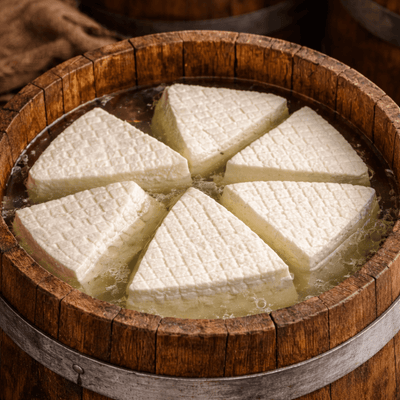
For centuries, before modern refrigeration, Greeks relied on nature to preserve their cheese. Feta was traditionally aged in wooden barrels or kept cool in mountain caves, where the temperature and humidity created the perfect conditions for fermentation. These methods weren’t just practical; they were shaping a real new flavor.
Barrel-aging adds complexity, while the natural microflora in the caves gives each batch a unique character. These are traditions still honored today by many Greek cheesemakers.
Brine: The Original Preservative
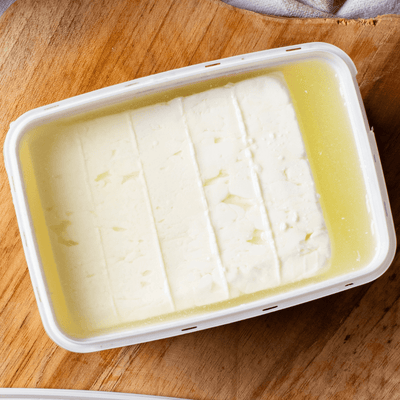
Brine has always been Feta’s trusted guardian. Long before fridges, Greek families preserved their cheese in a simple saltwater solution of at least 10% salt. This method kept the cheese fresh, tangy, and safe to eat even in the warmest months.
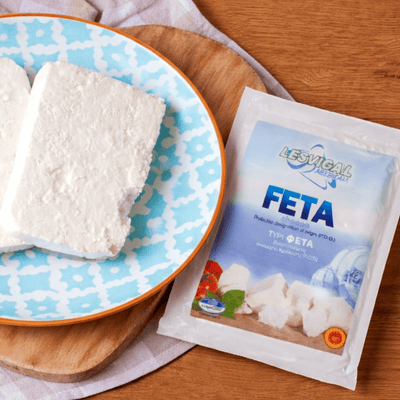
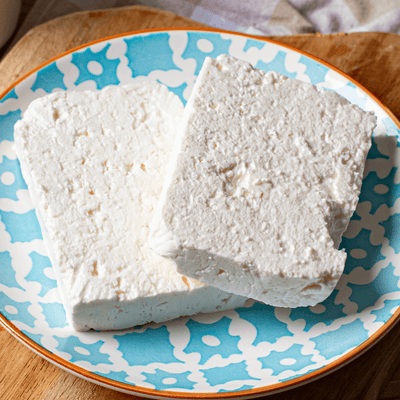
Today, feta in brine isn’t just a nod to the past; it’s a symbol of authenticity. That familiar white block floating in its milky bath? That’s how it’s meant to be.
The Path to PDO Recognition
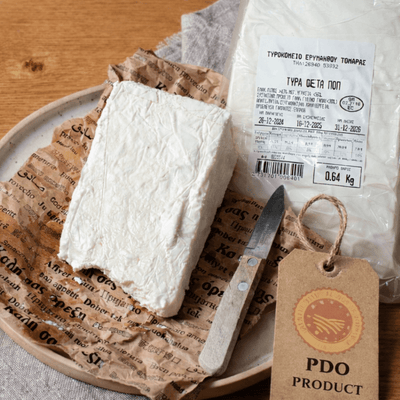
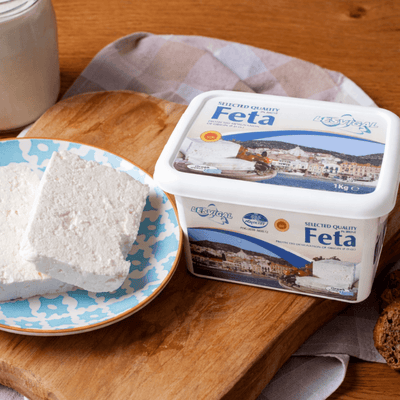
The journey to securing feta’s PDO (Protected Designation of Origin) status wasn’t easy. Greece formally recognized the cultural value of its national cheese in the 1990s, but it wasn’t until 2002 that the European Union granted official protection.
Other countries wanted to use the name “feta” for their own versions, but Greece stood firm: feta is Greek. The PDO ruling means that only cheese made using traditional methods in specific Greek regions can be called feta. This was a small victory with deep meaning.
The Milk That Makes It Feta
What makes feta… feta? It’s all about the milk. PDO regulations are clear and state that real Greek feta must be made from sheep’s milk, or a blend of sheep and up to 30% goat’s milk. No cow’s milk allowed. This combination gives feta its rich, creamy texture and that slightly tangy kick. It’s not just about taste, it’s about tradition. These animals graze freely on native herbs and wildflowers, passing the essence of the Greek landscape into every bite.

Where PDO Feta is Born
Not all of Greece can claim to produce true feta. Only select regions are certified under PDO law, including:
- Epirus
- Macedonia
- Thrace
- Thessaly
- Central Greece
- Peloponnese
- Lesvos
Each area has its own microclimate, terrain, and grazing patterns that influence the flavor and character of the cheese. It's a celebration of local identity. Each block of feta tells a story of the land it comes from; each block of feta has different nuances and flavors.
How Feta Has Evolved Since PDO
Since receiving PDO status, feta hasn’t stood still. Greek cheesemakers have continued to honor traditional practices while also exploring new ideas, like organic production, barrel-aged special editions, and more sustainable packaging. What hasn’t changed is the commitment to quality. Whether you’re tasting feta on a fresh xoriatiki salad or in a modern recipe, you’re connecting to a piece of Greece’s living heritage.
Explore More on Greek Feta
- Explore our full feta range
- Differences Between Feta and Other Similar Cheeses
- Read the complete Guide to Greek Feta Cheese